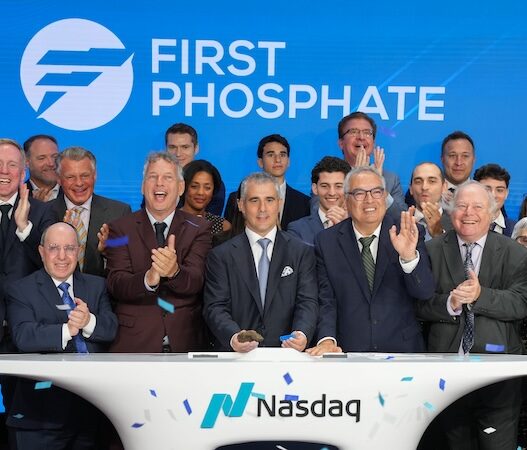
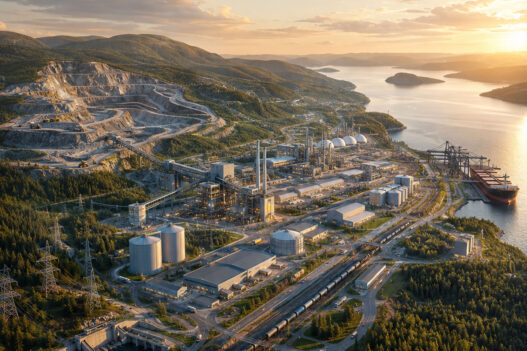
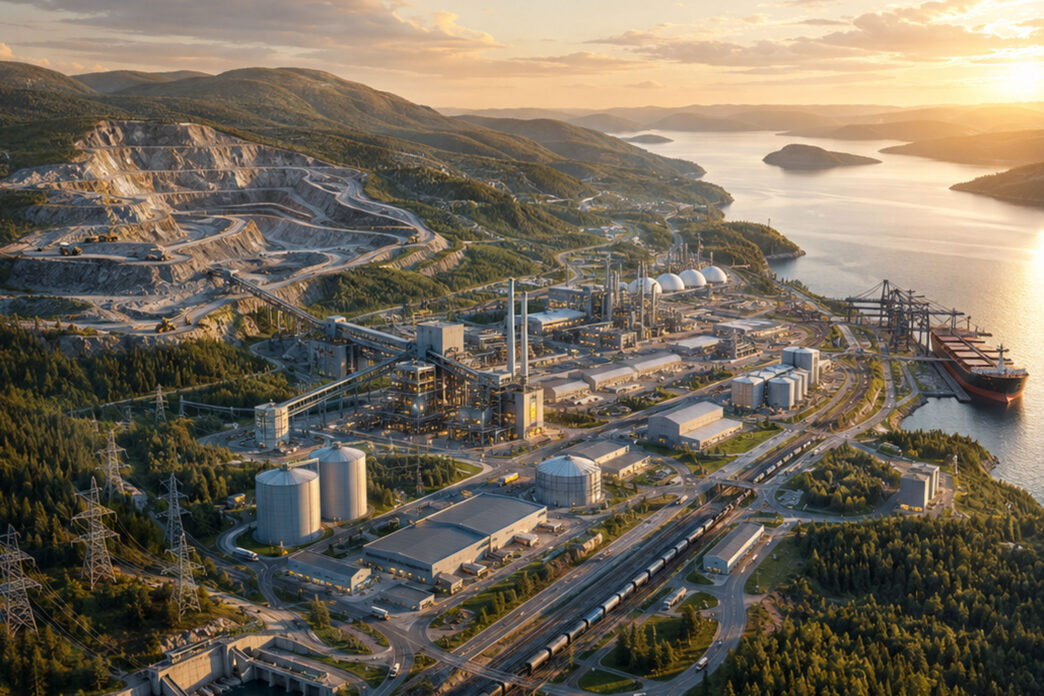
The foundations of a new Western battery supply chain may lie in an ancient rock formation in Québec. First Phosphate Corp. is developing the Bégin-Lamarche project with the ambition of supplying one of the most overlooked materials in the North American battery industry: High-purity phosphate for lithium iron phosphate (LFP) batteries.
With a current market capitalization of 308 million CAD, First Phosphate has already moved well beyond the profile of a conventional exploration junior. The company is advancing a project of growing strategic importance toward feasibility while building the commercial, technical and government relationships required for development.
The logic is simple, yet widely overlooked: Every LFP battery requires phosphate. But not all phosphate is created equal, and only certain deposits appear naturally suited to the demanding purity requirements of modern battery materials.
Bégin-Lamarche is becoming the foundation of a much broader industrial initiative taking shape in Québec. First Phosphate is working to connect the project with governments, export-credit agencies, engineering groups, prospective customers, universities and specialist battery-material partners.
This growing network already includes government funding, commercial offtake agreements, downstream technical cooperation, scientific validation and international financing interest. Together, these relationships are helping turn the concept of a Québec “Battery Valley” from an ambition into a coordinated development strategy.
The objective extends well beyond the production of phosphate concentrate. First Phosphate aims to link mining with purified phosphoric acid, battery materials, infrastructure and ultimately North American LFP battery production, while reducing dependence on Chinese supply chains.
Bégin-Lamarche could serve as the resource anchor for an emerging regional battery-materials industry. As one of the few publicly listed companies focused on this opportunity, First Phosphate offers investors direct exposure to an emerging Québec industrial hub supported by governments, customers and strategic partners.
For years, the battery revolution had 3 headline materials: Lithium, nickel and cobalt. Phosphate remained largely in the background. That is beginning to change.
As lithium iron phosphate (LFP) batteries expand across electric mobility, stationary energy storage, data centres and industrial applications, phosphate is emerging from an agricultural commodity into a strategic battery material. LFP batteries offer strong thermal stability, long service life and no reliance on nickel or cobalt, increasing the need for high-purity phosphate suitable for battery-grade purified phosphoric acid.
First Phosphate is positioning Bégin-Lamarche as a potential North American source of that material.
THE INVESTMENT CASE AT A GLANCE
First Phosphate is not built around a single idea. The investment case brings together geology, batteries, industrial policy, infrastructure and execution. At the centre is Bégin-Lamarche: An unusual igneous phosphate deposit in Québec that may be naturally suited to the stringent purity requirements of the battery industry.
- Geology with battery-material potential: Most phosphate is mined from sedimentary deposits and used primarily in fertilizer production. Bégin-Lamarche stands apart as an igneous, anorthosite-hosted deposit with the potential to produce a high-grade phosphate concentrate containing comparatively low levels of several unwanted elements. For battery applications, that distinction matters.
- LFP moves into the mainstream: LFP batteries are gaining ground across electric vehicles, energy storage and industrial applications. As LFP batteries gain market share, phosphate is moving from the fertilizer market into the centre of the battery economy.
- The missing link in North America: North America is building battery factories, but much of the processing and manufacturing chain behind LFP batteries remains concentrated in China. New factories alone cannot create independence if the essential materials still come from the same overseas supply chain. First Phosphate is seeking to help fill one of those missing links by developing a traceable North American source of phosphate for battery applications.
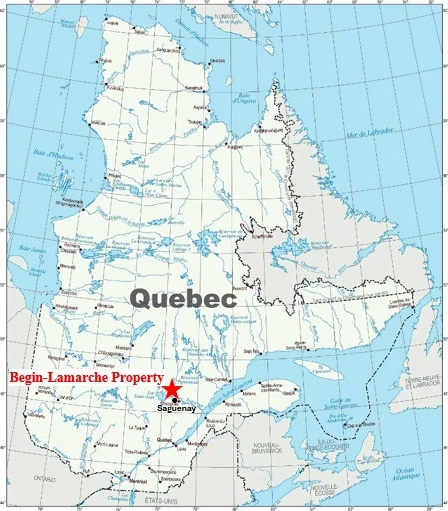
- The right project in the right place: Bégin-Lamarche is located in Saguenay-Lac-Saint-Jean, an established industrial region with access to paved roads, hydroelectric power, skilled labour and the year-round Port of Saguenay. This is not a remote deposit requiring an entire industrial ecosystem to be built from nothing. Québec already provides many of the ingredients needed to turn a geological discovery into a major industrial project.
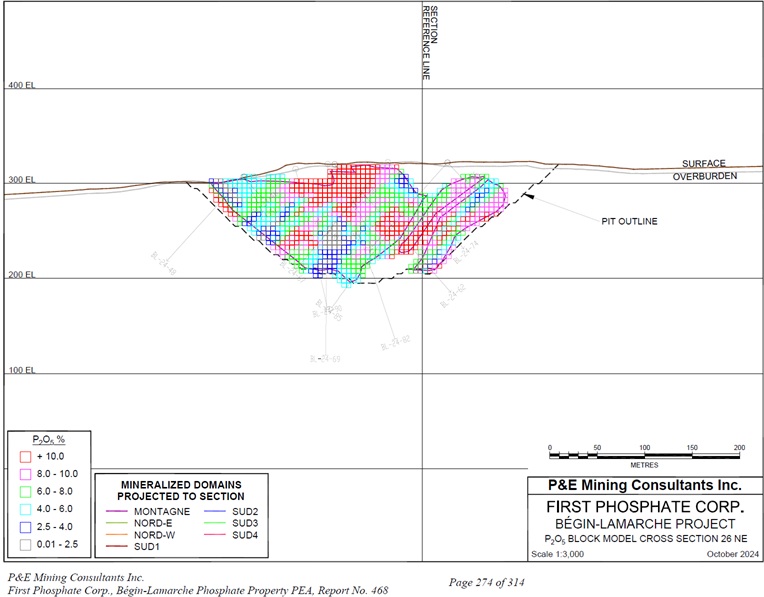
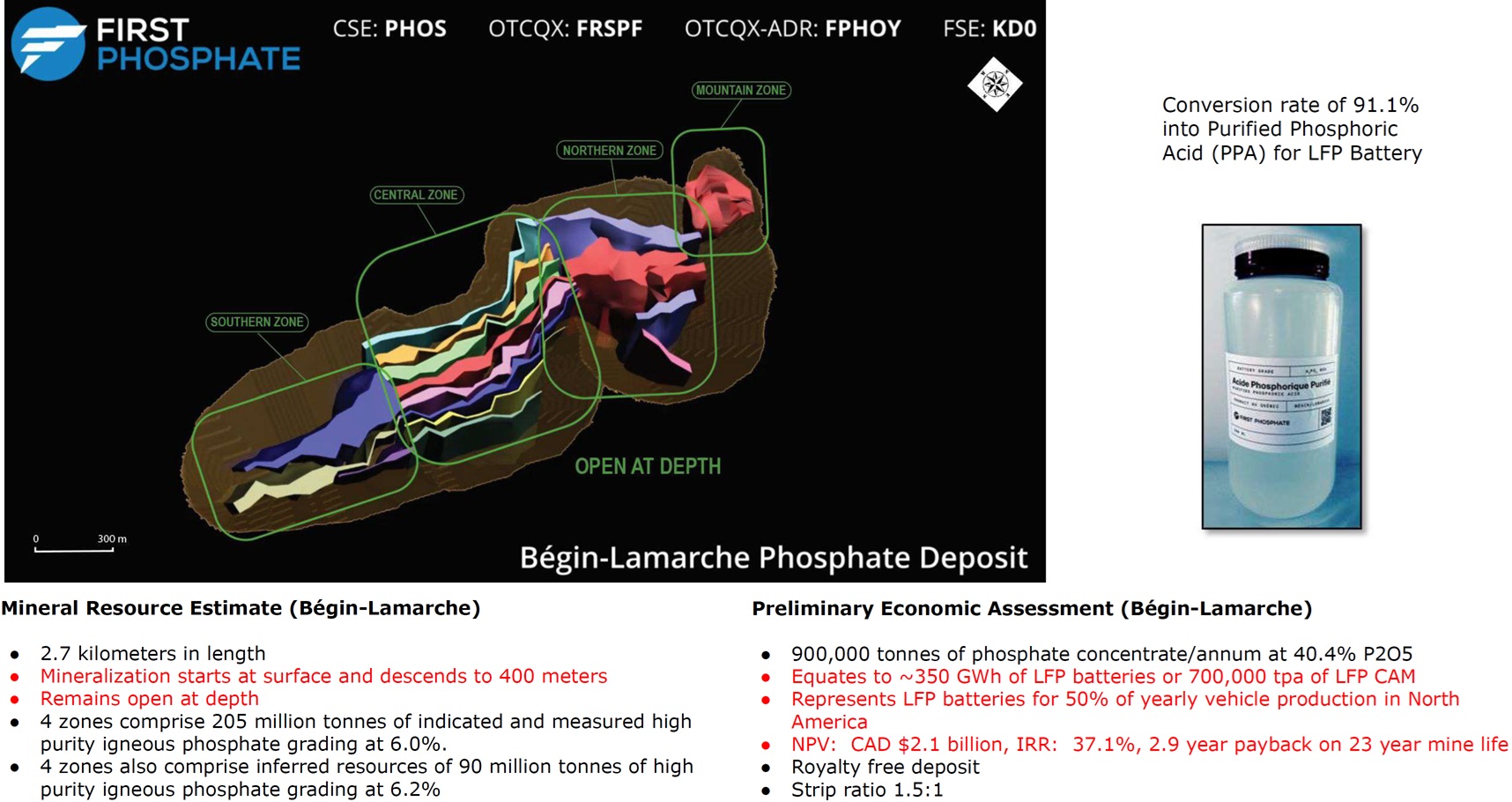
- Economics already outlined: The 2024 PEA provides an early view of the project’s potential scale and economics. It envisages average annual production of 900,000 tonnes of phosphate concentrate and 380,000 tonnes of magnetite over a 23-year mine life. The study estimated an after-tax NPV of 1.59 billion CAD, an after-tax IRR of 33% and ~700 million CAD of after-tax cash flow during the first 3 years, resulting in a 2.9-year payback period on initial capital (CAPEX) of 675 million CAD. These figures point to a robust preliminary economic profile, supported by rapid capital recovery, a long projected mine life, substantial projected production volumes and the contribution of magnetite by-product revenues.
- Building a complete value chain: First Phosphate’s strategy does not end with the production of mineral concentrate.The company intends to connect the mine with purified phosphoric acid and, through specialist partners, downstream battery materials and battery cells. The goal is to build a pathway from rock in Québec to a functioning North American battery: Rock › Concentrate › Purified phosphoric acid › Battery material › Battery cell
- The pieces are coming together: First Phosphate has moved Bégin-Lamarche rapidly from discovery toward feasibility. Along the way, the company has assembled technical partners, commercial agreements, government support, scientific validation and financing relationships.
Important work remains. The project must still complete feasibility, permitting, commercial qualification, financing, construction and successful commissioning. But relatively few Western phosphate projects bring together this combination of unusual geology, established industrial infrastructure, downstream ambition, commercial momentum and meaningful public-sector support.
The opportunity extends beyond a single deposit or mine: Transforming a rare Québec resource into one of the foundations of North American battery independence.
PHOSPHATE IS ENTERING THE BATTERY SPOTLIGHT
The growing importance of high-purity phosphate
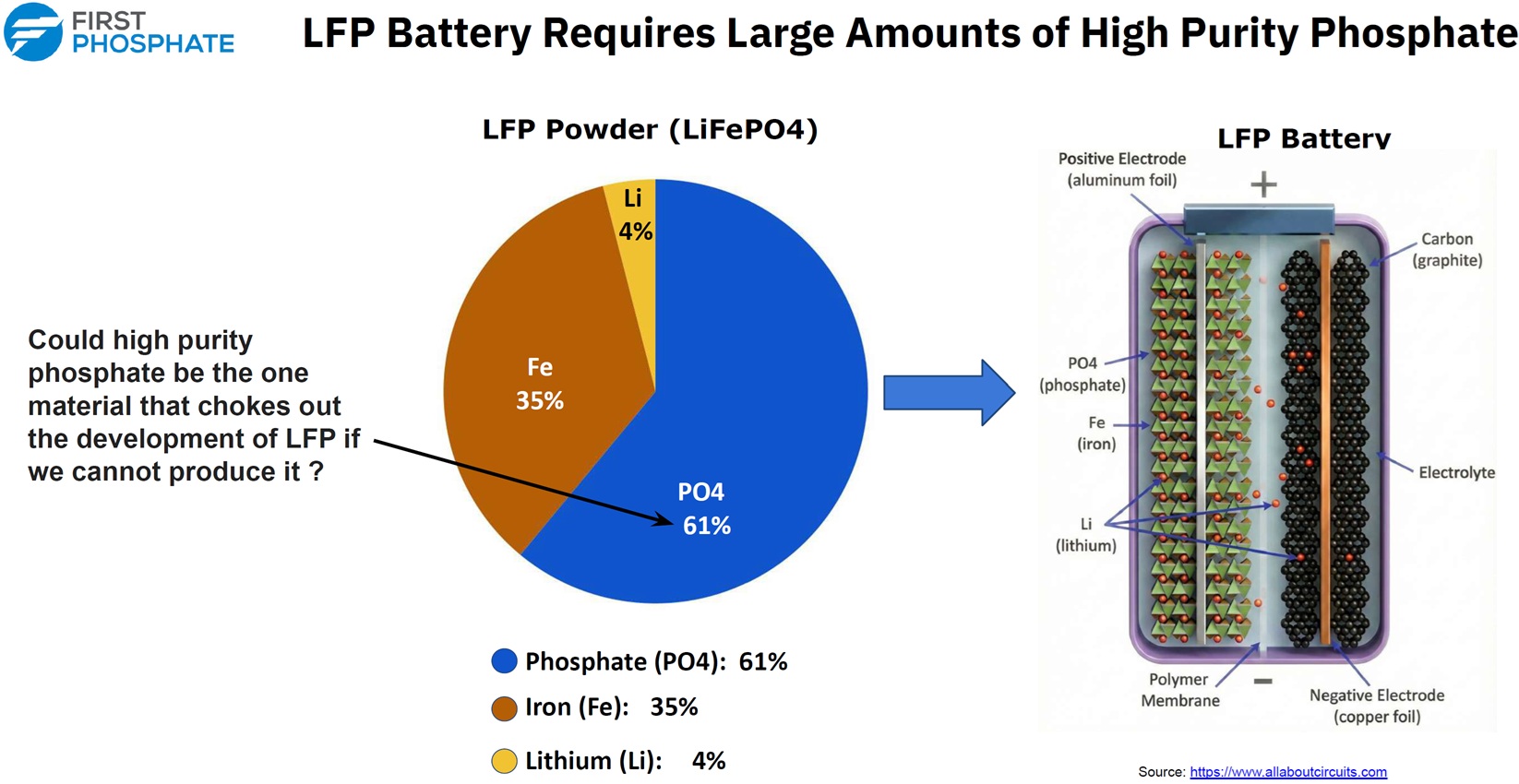
The answer has been hiding in the name all along: Lithium iron phosphate batteries require lithium, iron and phosphate.
Yet investors have spent years discussing lithium, nickel and cobalt while largely ignoring the material that gives LFP batteries the final letter in their name.
That imbalance is beginning to change.
LFP has become increasingly attractive because it combines thermal stability, long service life and cost efficiency without relying on nickel or cobalt. These characteristics have supported its growing use in mass-market electric vehicles, grid storage, data centres, commercial fleets and industrial power systems.
This shift is also changing how the battery industry evaluates phosphate. What was historically treated mainly as a fertilizer feedstock is increasingly being assessed according to purity, consistency, trace-element content and its suitability for conversion into battery-grade purified phosphoric acid.
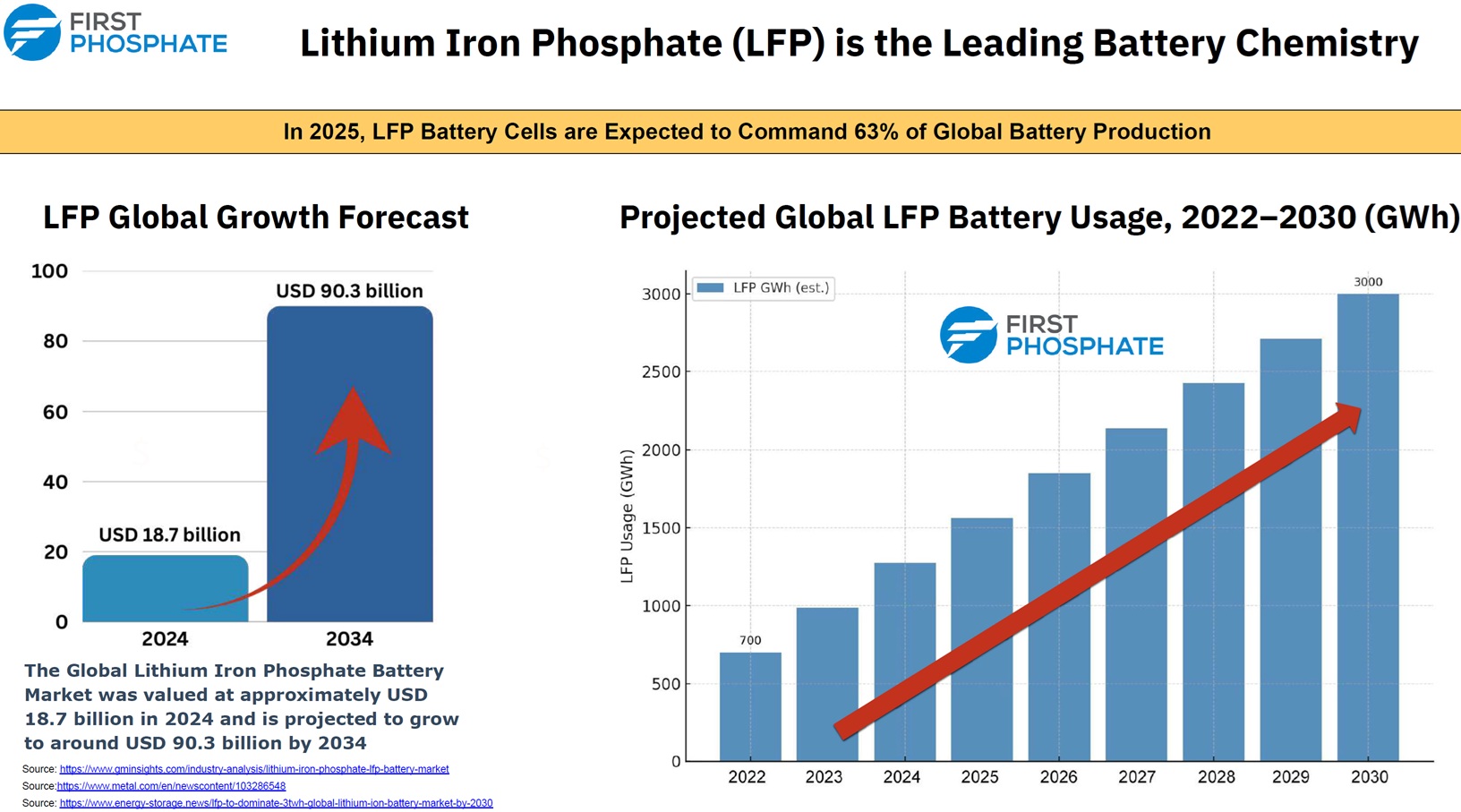
Recent market data show how quickly the chemistry has moved into the mainstream. According to the International Energy Agency, LFP batteries accounted for more than 55% of the batteries deployed in electric vehicles worldwide in 2025, up from nearly 50% one year earlier. In stationary energy storage, where frequent cycling, safety and cost are particularly important, LFP represented more than 90% of global installations.
This is especially significant because battery storage itself is expanding rapidly. The IEA reports that 108 GW of new battery-storage capacity was installed worldwide in 2025, an increase of 40% from 2024, while total installed capacity had grown 11-fold since 2021. LFP has become the dominant chemistry behind that expansion.
North America is now trying to build its own position in this market. More than 50 GWh of US battery-manufacturing capacity was redirected toward LFP production in 2025, much of it aimed at energy-storage applications.
Yet China continues to lead LFP material production and manufacturing, while average battery-pack prices there remained around 30% below those in North America in 2025. This underscores the scale of China’s existing advantage and the strategic importance of building a secure, diversified Western supply chain.
Canada is responding by investing in the missing stages between raw materials and finished batteries. Federal programs are supporting the first North American scale-up of LFP cathode-material manufacturing, including projects in Québec, which already hosts nearly 25% of Canada’s battery companies. The stated objective is to strengthen domestic sourcing, fill gaps in the midstream supply chain and supply Canadian and North American battery manufacturers with critical production inputs.
As LFP markets and manufacturing capacity expand, demand for the materials required to produce LFP cathodes should grow accordingly.
However, phosphate rock cannot simply be placed inside a battery. It must first travel through a chain of mining, concentration, purification and chemical conversion:
Phosphate ore › Apatite concentrate › Purified phosphoric acid › LFP cathode material › Battery cell
Each stage requires different technical capabilities, infrastructure and quality controls. A mine may be able to produce phosphate concentrate without necessarily producing battery-grade purified phosphoric acid. Likewise, phosphoric acid suitable for fertilizer or general industrial markets may not meet the much tighter purity, consistency and trace-element specifications required by battery manufacturers, where even small variations can affect processing efficiency, product performance and customer acceptance.
This battery-focused strategy is central to the First Phosphate investment case. The company is positioning Bégin-Lamarche specifically for the LFP battery market rather than primarily for conventional fertilizer applications, which places the project within a more specialized and strategically important part of the phosphate value chain.
The challenge lies in securing the right phosphate, proving that it can meet demanding customer requirements and developing the capability to refine it into battery-grade material within the Western supply chain. First Phosphate is advancing Bégin-Lamarche to meet that challenge and demonstrate its potential from resource to battery material.
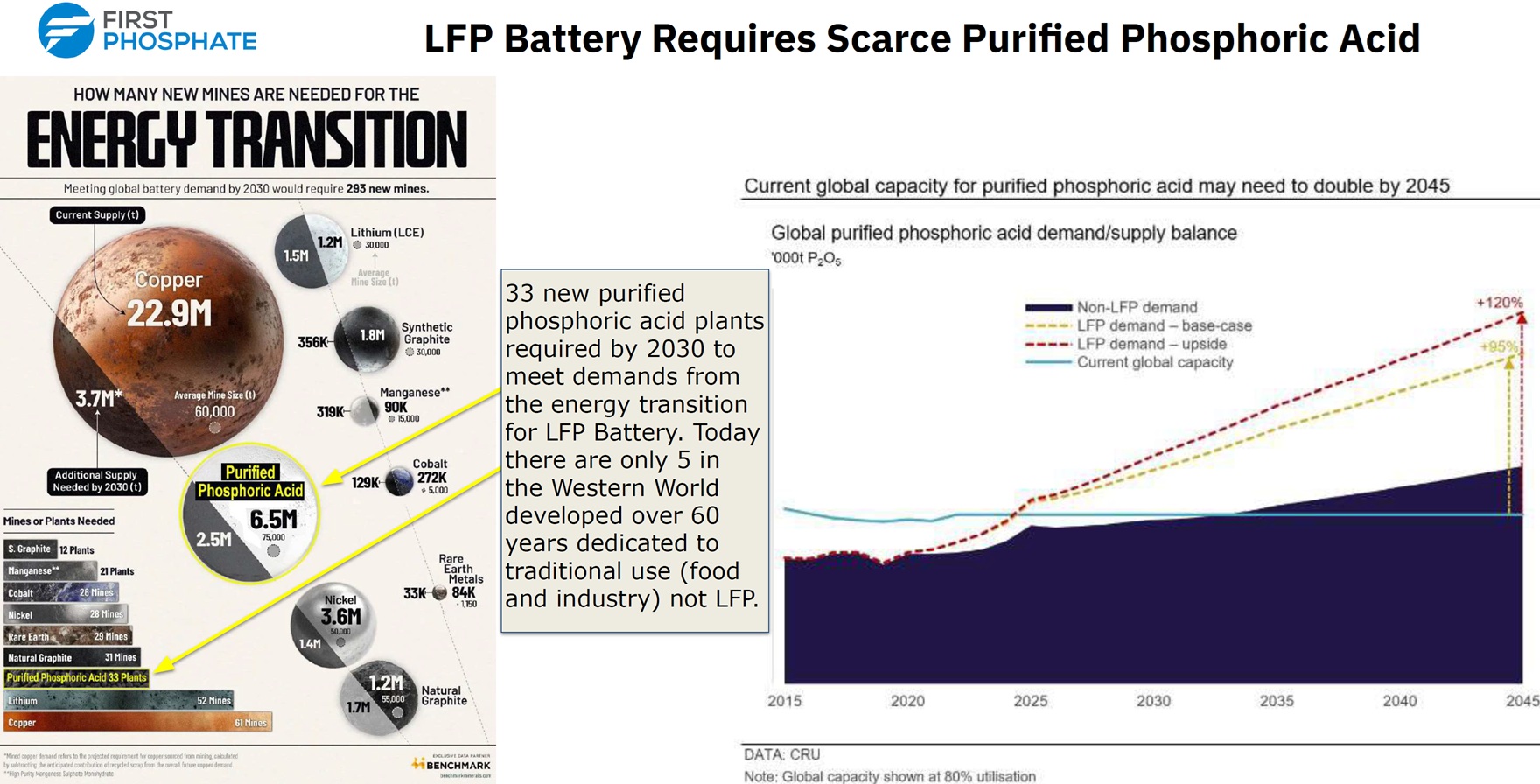
THE WESTERN SUPPLY-CHAIN PROBLEM
The missing link between mine and battery
The battery industry is shaped not only by technology and cost, but increasingly by the security and resilience of its supply chains. China controls much of the mineral processing, battery-material production and cell manufacturing behind today’s LFP industry.
For North America and Europe, that concentration has become a strategic vulnerability. Their response includes critical-mineral strategies, industrial incentives, government grants and export-credit support aimed at encouraging domestic and allied-country supply chains.
Building battery factories in North America will not create supply-chain independence if essential materials remain tied to concentrated foreign sources. For phosphate, the strategic issue is therefore shifting from simple availability to the development of a secure, battery-grade supply chain with reliable access to suitable feedstock, processing capacity and qualified downstream production.
Battery manufacturers require high-purity and consistent materials, while chlorine, heavy metals, radioactive elements and other impurities can complicate processing and reduce the suitability of the final product. This makes mineralogy, concentrate quality and purification performance central to the development of a viable regional supply chain.
North America needs a complete, traceable pathway from phosphate rock to battery materials that can operate reliably at commercial scale.
First Phosphate’s strategy is designed to address that gap. The company aims to produce phosphate concentrate in Québec and connect it with downstream purified phosphoric acid production. Through technical and commercial partnerships, the material could then enter the North American LFP cathode and battery industry as part of a more secure regional supply chain.
The strategic advantages of such a supply chain include:
- Domestic or allied-country sourcing
- Reduced dependence on Chinese processing
- Traceability from mine to battery
- Production under Canadian environmental and labour standards
- Access to low-carbon Québec power
- Shorter, more resilient logistics
The strategic gap lies between mineral extraction and qualified battery-material production. Closing it requires suitable phosphate feedstock, reliable purification, customer qualification and sufficient scale.
First Phosphate’s proposed pathway links Québec phosphate concentrate with purified phosphoric acid production and downstream battery-material partners. The central test will be whether this chain can be demonstrated consistently, financed and ultimately operated at commercial scale. That execution challenge also defines the opportunity for shareholders, stakeholders and strategic partners as each successful milestone reduces uncertainty and moves the project closer to commercial realization.
NOT ALL PHOSPHATE IS THE SAME
How geology shapes concentrate quality
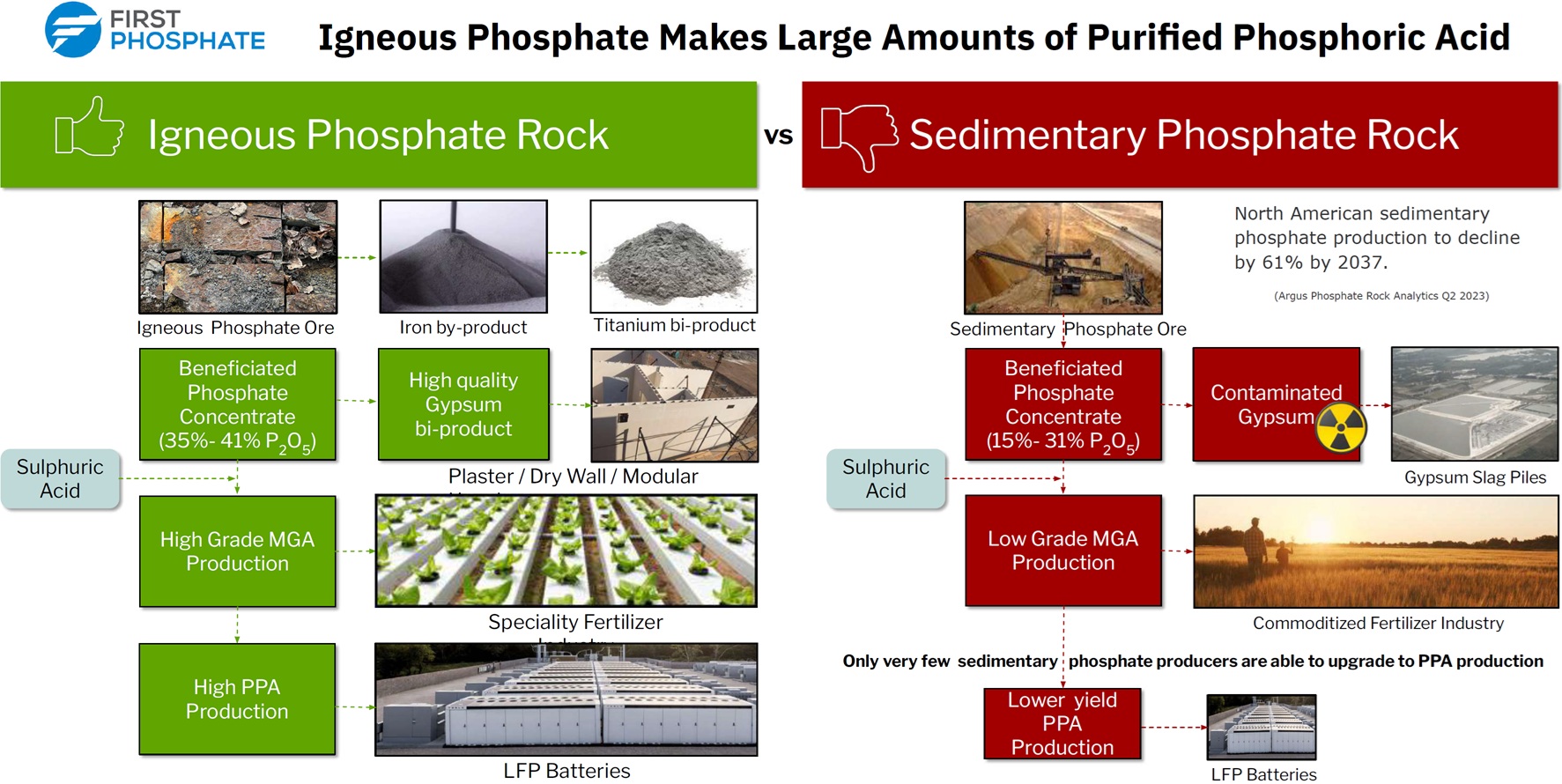
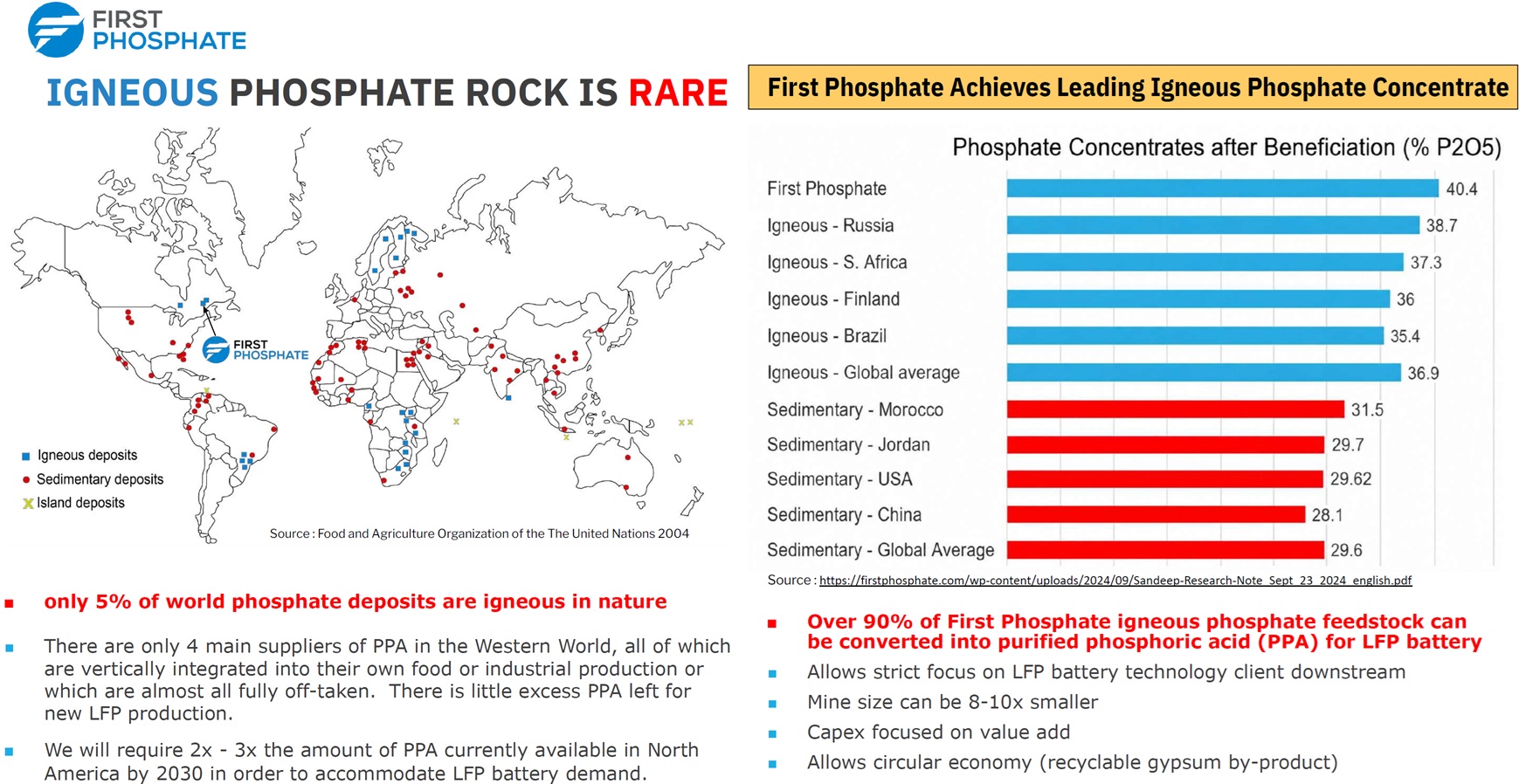
To the untrained eye, phosphate rock may look like a simple bulk commodity. In reality, its geological origin can determine whether it becomes fertilizer feedstock or a starting material for advanced battery chemistry. Different deposits formed through different geological processes and can contain very different grades, mineral compositions and impurity profiles.
The 2 broad categories are sedimentary and igneous phosphate: Sedimentary phosphate formed through ancient marine processes, while igneous phosphate crystallized from magma.
- Sedimentary phosphate: Sedimentary deposits account for the large majority of global phosphate production and form the traditional foundation of the fertilizer industry. They are mined extensively in countries including Morocco, China, the United States and Jordan. These deposits can contain relatively high phosphate grades in the original rock. However, they may also contain higher concentrations of certain undesirable elements and, where technically feasible, require more intensive purification for high-specification applications.
- Igneous phosphate: Igneous phosphate deposits formed through magmatic processes and account for only a relatively small share of global production. Major sources occur in countries such as Russia, Finland, South Africa and Brazil. Although igneous deposits can have lower raw ore grades than many sedimentary deposits, some can be processed into higher-grade concentrates with comparatively low concentrations of certain impurities.
At first glance, sedimentary deposits appear superior because their raw ore grades are often higher. But after processing, igneous deposits can produce a richer and cleaner concentrate.
A research note prepared by scientists from Queen’s University and the Université du Québec à Chicoutimi reported that igneous phosphate deposits average ~8.1% P₂O₅ in the raw ore, but can produce marketable concentrates averaging about 36.9% P₂O₅. By comparison, sedimentary phosphate deposits average a much higher raw ore grade of ~21.3% P₂O₅, but their marketable concentrates average only about 29.6% P₂O₅. For battery applications, that difference can be decisive.
Bégin-Lamarche currently contains pit-constrained resources of 6.2 million tonnes @ 7.7% P₂O₅ (measured), 198.5 million tonnes @ 6% P₂O₅ (indicated) and 89.5 million t @ 6.16% P₂O₅ (inferred). Metallurgical testing has demonstrated that this comparatively modest-grade material can be upgraded into an apatite concentrate grading ~40.9% P₂O₅, with the PEA reporting recoveries of >90%.
In other words, the significance of Bégin-Lamarche lies less in the grade of the original rock than in the quality of the product that can be produced after processing. The results to date demonstrate the effectiveness of beneficiation and the project’s potential to generate a high-grade, comparatively clean concentrate.
The central point is simple: For battery applications, the quality of the processed concentrate can matter more than the grade of the original ore.
A lower-grade deposit may still be highly attractive if:
- The apatite separates efficiently from the host rock
- The concentrate reaches a high P₂O₅ grade
- Recoveries are strong
- Impurities remain low
- Useful by-products can be recovered
These general differences do not mean that every igneous deposit is suitable for batteries. Each project must be evaluated through detailed mineralogical, metallurgical and chemical testing. They do, however, explain why Bégin-Lamarche warrants closer attention. The project’s significance lies not simply in the quantity or grade of phosphate-bearing rock in the ground, but in its demonstrated ability to be transformed efficiently into a clean, high-grade and consistent product with characteristics relevant to demanding battery applications.
For battery applications, what matters most is not simply the grade of the original ore, but the quality of the concentrate produced from it. This is where Bégin-Lamarche begins to stand apart.
THE ROCK IS ONLY THE BEGINNING
Processing reveals the real value
A phosphate deposit is not valuable simply because it contains phosphate. The real question is whether the rock can be transformed into a clean, high-quality product suitable for demanding industrial and battery applications. That transformation ultimately determines the project’s technical relevance and commercial potential.
Testing to date indicates that material from Bégin-Lamarch can be upgraded into a high-grade phosphate concentrate of ~40.9% P₂O₅. Just as importantly, that concentrate contained comparatively low levels of several unwanted elements that can make purification more difficult, including arsenic, cadmium, thorium and uranium.
For a future producer of purified phosphoric acid, the quality of the starting material can influence almost everything that follows: How much processing is required, how efficiently the plant can operate, how much waste is created and how consistently the final product can be produced.
In simple terms, cleaner feedstock could make the entire journey from mine to battery more efficient.
Bégin-Lamarch has also shown generally favourable chlorine results. This matters because excessive chlorine can damage processing equipment and complicate phosphoric acid production. Further testing will still be required to confirm consistency across the deposit, but the results to date are encouraging.
And phosphate may not be the only useful product generated by the proposed operation. Magnetite could also be recovered as an iron product, while ilmenite may provide longer-term titanium potential and broaden the project’s future revenue base. Phosphoric acid production could additionally generate comparatively clean phosphogypsum, which may find uses in construction or other industrial markets, subject to further testing, regulatory approval and customer acceptance.
Scientific work has also reported very low sulfide levels in the tested material. This could reduce the risk of acid-rock drainage compared with more sulfide-rich deposits, although detailed environmental studies, ongoing monitoring, site-specific mitigation measures and responsible mine planning will remain essential.
Taken together, Bégin-Lamarche may offer a rare combination:
- A high-grade phosphate concentrate
- Comparatively low levels of several problematic impurities
- Encouraging chlorine results
- Low sulfide content
- Potential iron, titanium and gypsum by-products
That combination could allow a greater share of the mined material to become useful product, reduce the volume of waste requiring management and improve the overall efficiency of the proposed operation.
Bégin-Lamarche may therefore offer something more important than size alone: A deposit whose natural qualities could make the journey from rock to battery more efficient, more versatile and potentially more valuable across several interconnected product streams.
BEYOND A SINGLE DEPOSIT
An emerging phosphate district
Bégin-Lamarche may represent the first project within a much broader geological opportunity. The deposit is located within the Lac-Saint-Jean Anorthositic Suite in the central Grenville Province, one of the world’s largest anorthosite massifs. This matters because the same geological environment extends far beyond the currently defined resource.
Bégin-Lamarche is unusual within the global phosphate industry. Most operating igneous phosphate mines are associated with carbonatites and alkaline complexes in countries such as Russia, Finland, South Africa and Brazil. Bégin-Lamarche, by contrast, is hosted in mafic and ultramafic rocks within a massif-anorthosite environment.
Peer-reviewed research published in 2026 described parts of the deposit as unusually rich in fluorapatite and linked this enrichment to the crystallization history of the host magma. The same research identified the wider Grenville Province as prospective for additional high-quality phosphate mineralization.
This creates 2 distinct levels of opportunity:
- Today’s Opportunity: Advance Bégin-Lamarche through feasibility, permitting, financing and construction as a potential first major project in this emerging Québec phosphate district.
- Tomorrow’s Opportunity: Apply the geological and mineralogical knowledge gained at Bégin-Lamarche across First Phosphate’s extensive land position and the wider region to identify additional high-quality phosphate resources and future development opportunities. Further discoveries could expand the resource base while supporting shared infrastructure, processing capabilities, regional industrial growth and broader customer relationships.
Bégin-Lamarche could become more than a stand-alone mine. It may serve as:
- A potential first industrial anchor in an emerging Québec phosphate district
- A technical reference deposit for this unusual geological setting
- A foundation for regional processing and value-added infrastructure
- A starting point for future exploration, resource expansion and regional consolidation
- A strategically located link between Québec’s mineral resources, transportation network, deep-sea port and North American battery markets
None of these longer-term outcomes is guaranteed. Additional targets would still require exploration, drilling, metallurgical testing and economic evaluation. However, the geological thesis has advanced beyond pure speculation. It is now supported by deposit-scale studies, comparative research and peer-reviewed publication.
If Bégin-Lamarche becomes the first mine, it could become the anchor of a much larger district. With more than 1,500 km² of royalty-free claims across the Saguenay-Lac-Saint-Jean region, First Phosphate controls a land position large enough to support years of exploration and potential future growth, while benefiting from nearby transport links, industrial infrastructure and access to the Port of Saguenay.
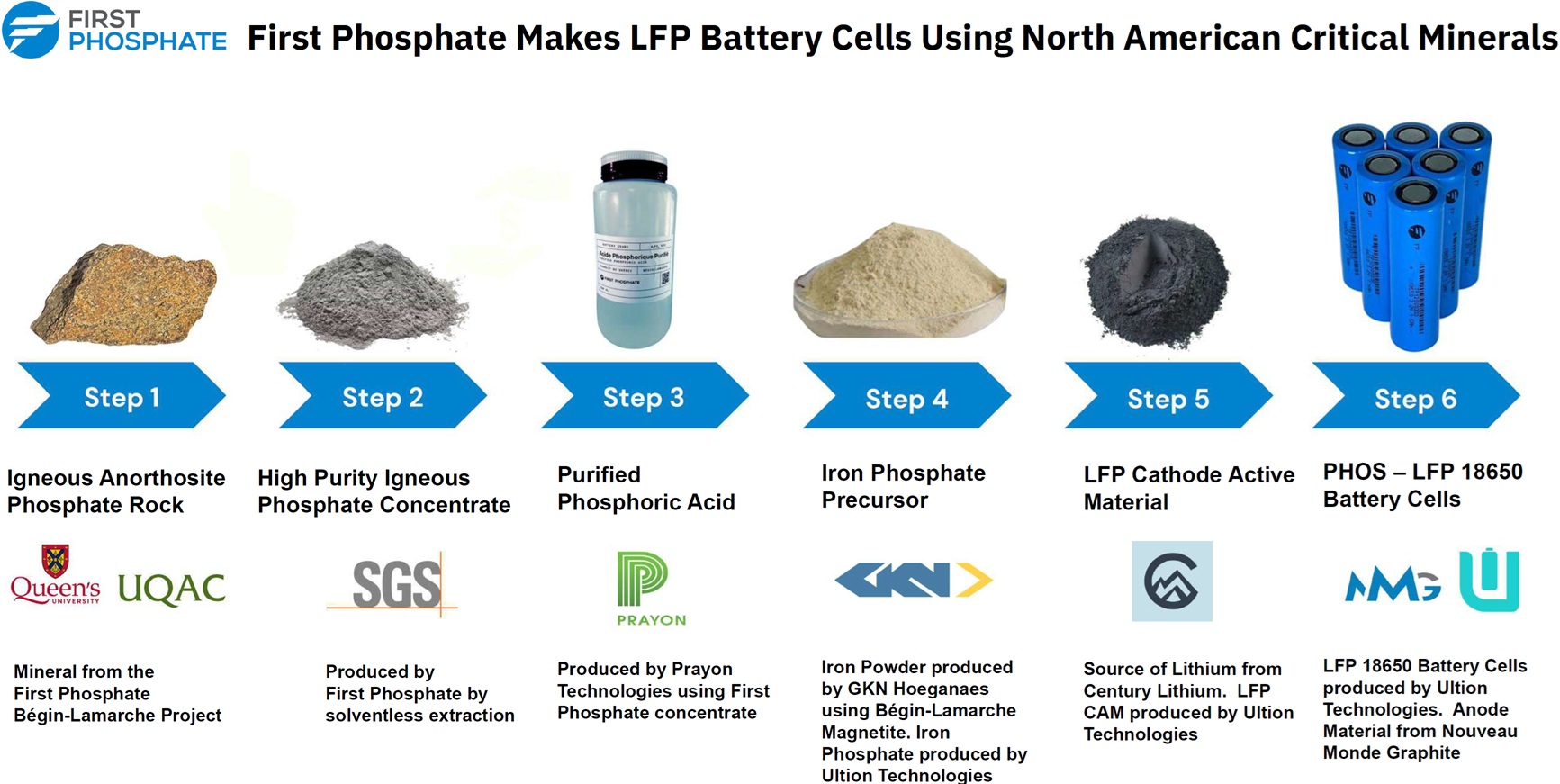
FROM ROCK TO BATTERY
Building an industrial supply chain
A mine alone does not create battery independence. First Phosphate’s strategy is to connect Bégin-Lamarche with the major processing stages required to move phosphate from rock into an LFP battery. The planned chain is:
Rock › Concentrate › Purified phosphoric acid › Battery material › Battery cell
- Begin with the right resource: The proposed Bégin-Lamarche open-pit mine would produce phosphate concentrate and magnetite. The PEA outlines average annual production of a ~900,000 tonnes of phosphate concentrate grading about 40% P₂O₅ over a proposed 23-year mine life. This is the foundation of the entire strategy. Without a secure source of suitable phosphate, every downstream stage would remain dependent on outside suppliers.
- Turn rock into a high-grade product: The mined material would be processed to separate the phosphate-bearing apatite from the surrounding rock. The result would be a high-grade concentrate that could either be sold directly or converted into purified phosphoric acid. First Phosphate has already disclosed offtake agreements for future concentrate volumes, providing early evidence that customers are interested in the proposed product.
- Build the bridge to the battery industry: Purified phosphoric acid is the key link between the mine and the battery market. Producing it requires the concentrate to be converted and purified to meet demanding specifications for purity, consistency and trace elements. Rather than attempting to build every part of the downstream chain alone, First Phosphate is working with specialist engineering and processing partners.
- Move into battery materials: Purified phosphoric acid can then be combined with lithium and iron to produce the active material used in LFP battery cathodes. This stage requires specialist technology, strict quality control and customer qualification. First Phosphate’s strategy therefore relies on partners with established expertise in battery materials and cell production.
- Prove the concept in a battery cell: First Phosphate has already achieved one of the project’s most important early proof points. Phosphoric acid and iron derived from Bégin-Lamarche material have been used to produce commercial-format LFP 18650 battery cells. This is not yet commercial-scale qualification but it demonstrates something highly significant: Material that began as rock in Québec has already completed the journey into a functioning battery. The next challenge is to reproduce that result consistently, economically and at industrial scale.
Few development-stage mining projects can point both to a defined resource in the ground and to an early battery cell produced from their own material.
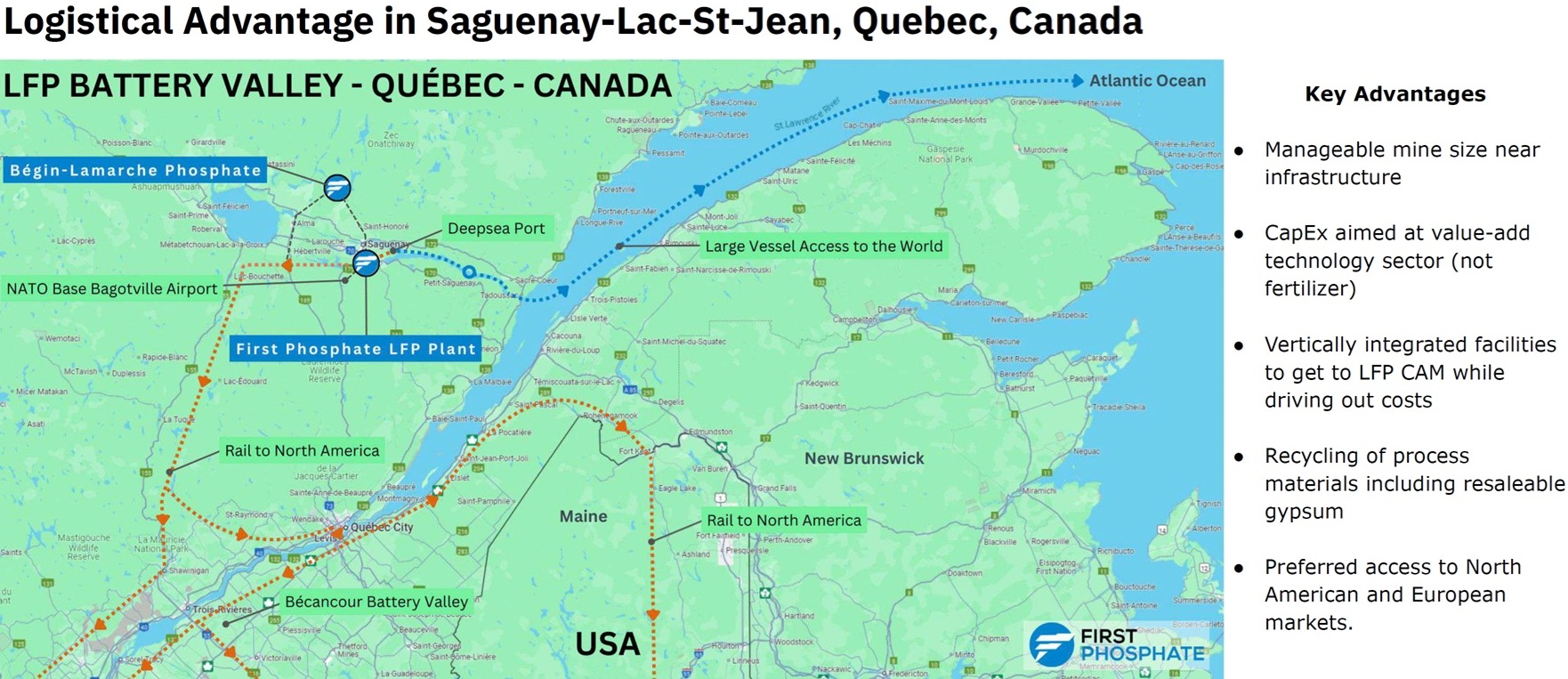
QUÉBEC AS A COMPETITIVE ADVANTAGE
Where geology meets infrastructure
A rare deposit is not enough as it must also be located where mining, processing and supporting infrastructure can realistically be developed.
Bégin-Lamarche lies in Saguenay-Lac-Saint-Jean, one of Québec’s established industrial regions, with access to paved roads, nearby electrical infrastructure, skilled labour, industrial services and the year-round Port of Saguenay ~85 km away by road.
This combination may reduce the need to create an entire infrastructure network from the ground up. It also provides potential access to contractors, equipment suppliers, technical specialists and future customers across North America and Europe. The resource is therefore located within reach of much of the infrastructure required to develop it.
Clean electricity for an industrial-scale project
Mining, mineral concentration and chemical processing require substantial amounts of energy. Québec’s predominantly hydroelectric power system may therefore represent an important advantage. Access to low-carbon electricity could support a lower-emission product while helping the project align with the environmental expectations of Western battery manufacturers.
The surrounding region also has extensive experience in mining, aluminum production, hydropower, forestry, heavy industry and industrial processing. This provides access to skilled labour, engineering expertise, contractors and logistics networks familiar with the demands of large industrial projects.
Connected to the market
The year-round Port of Saguenay is located ~85 km from the proposed mine by road. This provides a potential logistics link to North American and European customers, international equipment suppliers and future downstream facilities.
For a project seeking to connect a resource with global battery-material markets, port access is not merely a logistical advantage but an important part of the development strategy.
Québec’s strategic support
Québec has identified critical and strategic minerals as a priority within its industrial policy. In July 2026, Bégin-Lamarche was selected for support under the province’s Filon initiative, which facilitates coordination between strategic mining projects and the authorities responsible for permits and approvals.
Filon status does not guarantee permits or replace environmental and regulatory reviews. It does, however, show that Québec considers Bégin-Lamarche strategically relevant and is prepared to support its development pathway. The province is therefore helping create the institutional framework within which the project may advance.
The foundations of Québec’s Battery Valley
The regional advantage may extend far beyond mineral extraction. Saguenay-Lac-Saint-Jean could potentially host several connected stages of the value chain, from mining and concentration to purified phosphoric acid production, by-product processing and port logistics. This could allow a larger share of the project’s economic activity, technical expertise and future employment to remain within the region.
Keeping more of this chain in one location could improve traceability, coordination between facilities, transport efficiency and responsiveness to customers, while also reducing logistical complexity and supporting a lower-carbon finished product.
At Bégin-Lamarche, geology, low-carbon power, infrastructure, industrial expertise and public policy converge in one region. That combination may prove almost as important as the resource itself and could help position Saguenay-Lac-Saint-Jean as a broader centre for phosphate-based battery materials.
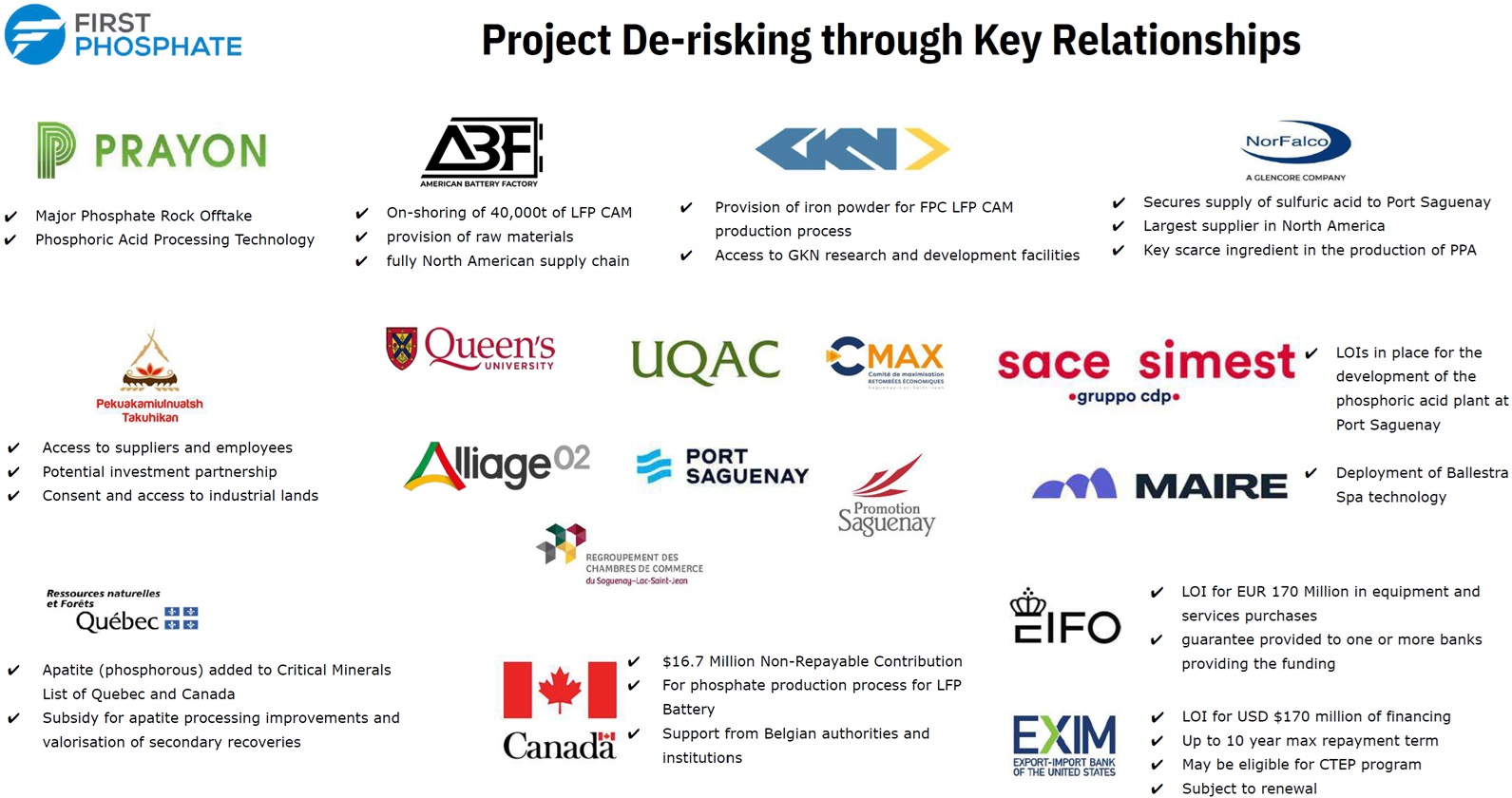
EXTERNAL VALIDATION IS BUILDING
An industrial alliance is taking shape
Large industrial projects do not advance through geology alone. They move forward when governments, customers, scientists, engineers and financing partners begin to align around a common objective. That alignment is becoming increasingly visible around Bégin-Lamarche.
No single grant, agreement or technical relationship guarantees that the project will be financed, permitted or built. The significance lies in the accumulation of independent support across several areas.
Technical expertise is shaping the downstream strategy
First Phosphate has developed relationships with companies active in:
- Phosphoric acid processing
- Battery-material technology
- Battery-cell production
- Engineering
- Equipment supply
- Industrial project development
These relationships are intended to connect the mine with the technical requirements of the battery industry before commercial production begins. That matters because a technically successful mine can still fail commercially if its product does not meet downstream specifications, cannot be qualified consistently or proves difficult to integrate into established manufacturing processes.
By working with specialist partners early, First Phosphate can better understand the purity standards, impurity limits, processing requirements, qualification procedures and future needs of its customers. This feedback can also help shape engineering decisions, product specifications and the design of future processing facilities.
Not every relationship carries the same legal or commercial weight. Some involve definitive agreements, while others may relate to technical cooperation, testing or future development. Together, however, they help build the pathway from concentrate to battery material and reduce the risk of developing a product without a clearly defined downstream market.
Proof of concept from mine to cell
Project-derived phosphoric acid and iron have already been used to produce commercial-format LFP battery cells, demonstrating that material from Bégin-Lamarche can progress through the downstream chain and be incorporated successfully into a functioning battery in a commercially relevant cell format under practical testing conditions.
While full commercial qualification and industrial-scale production still lie ahead, this achievement provides an important proof of concept and a meaningful early validation of the project’s battery-material potential and technical pathway.
Government backing is becoming visible
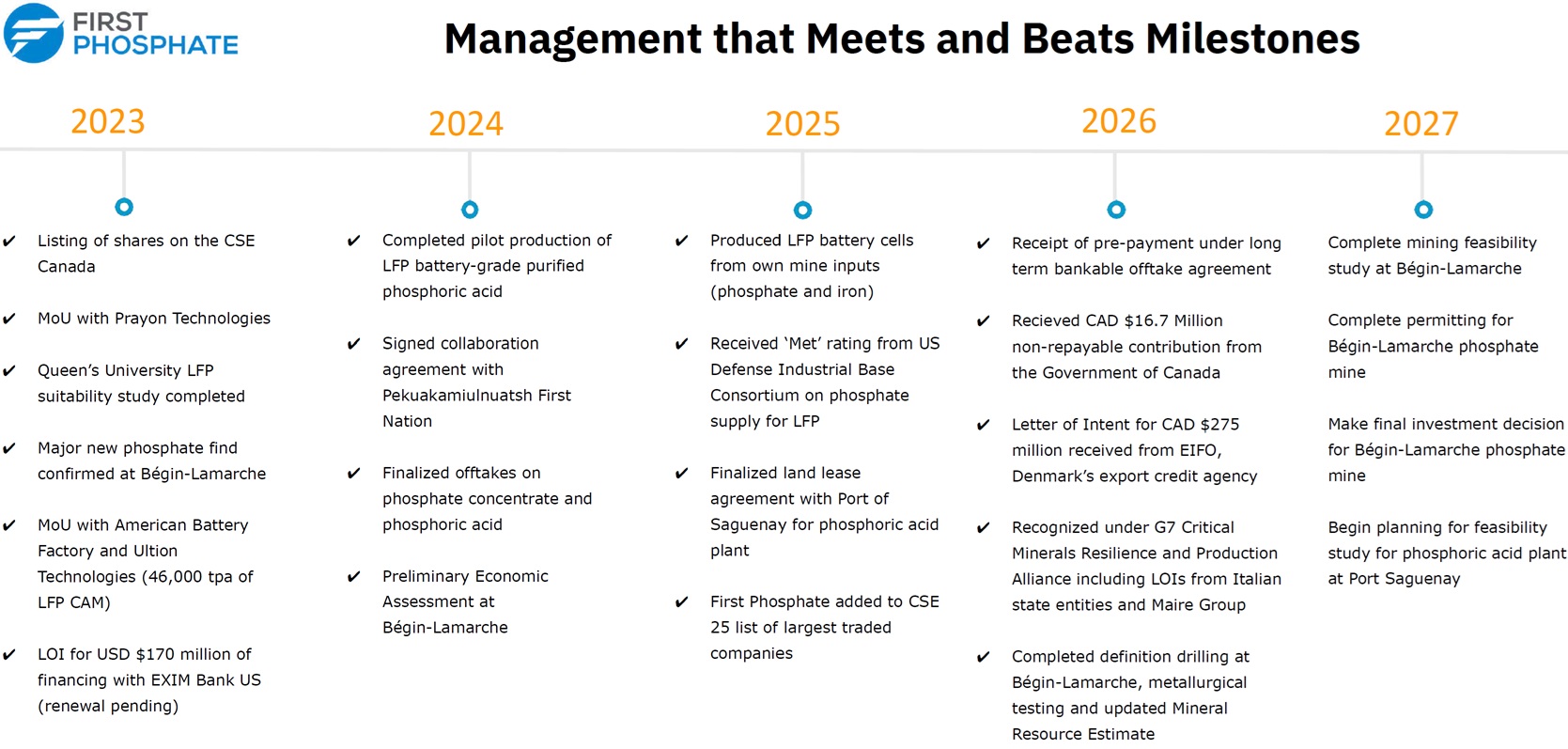
First Phosphate has secured a 16.7 million CAD non-repayable contribution from Natural Resources Canada to support technical and engineering work related to the production of battery-grade phosphate concentrate. This support helps fund the work required to move the project from PEA toward feasibility-level engineering, while reducing the amount of development capital that must be raised directly from investors.
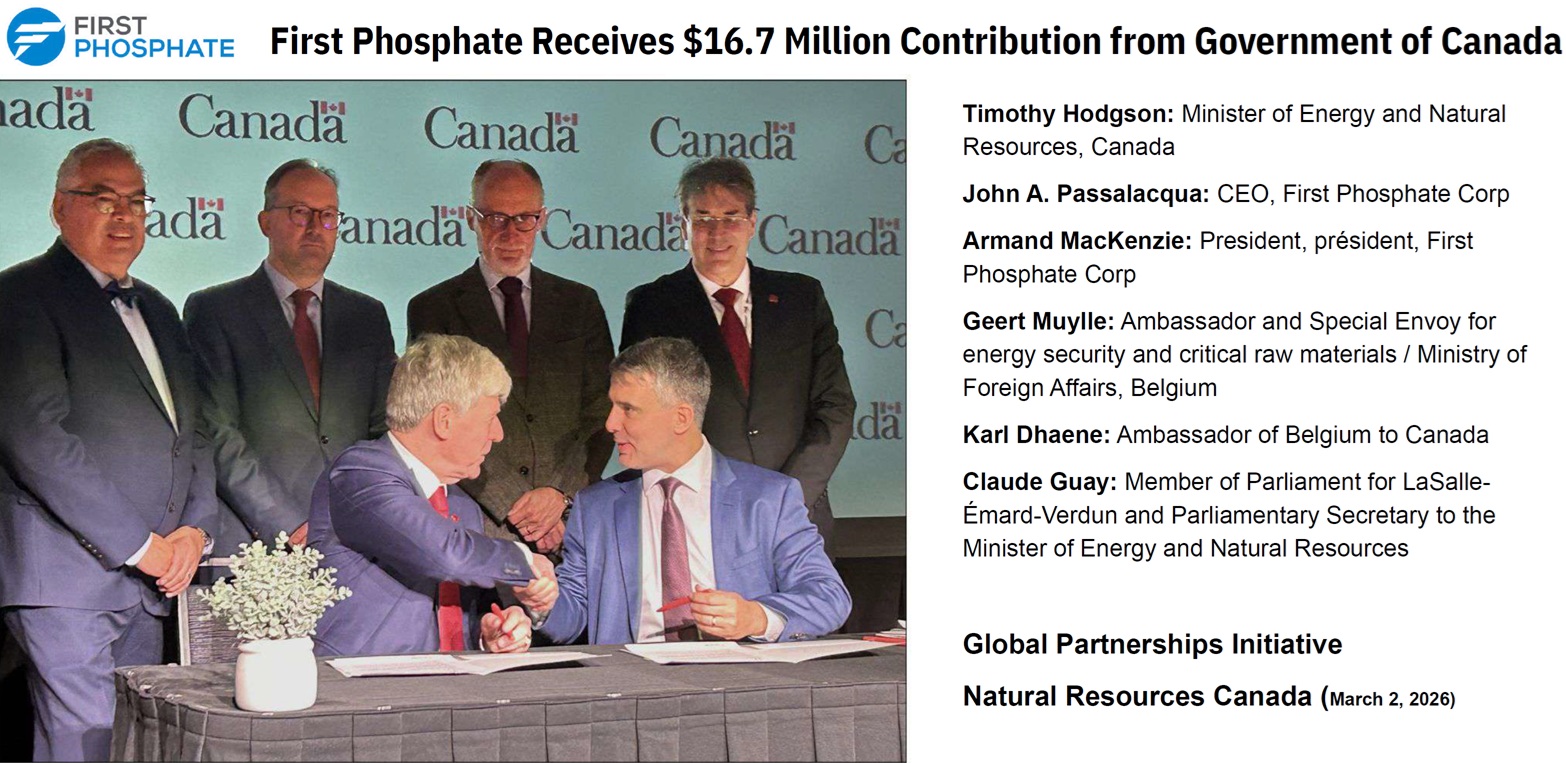
As announced today, the Government of Canada added a further 4.84 million CAD in non-repayable contributions for studies and preparatory work related to a 161-kV transmission line, substations and road access connecting Bégin-Lamarche with regional infrastructure.
The project has also attracted international financing and industrial interest. This includes a Letter of Intent (LOI) from Denmark’s export-credit agency EIFO for a potential guarantee of up to 275 million CAD for the Bégin-Lamarche mine, as well as Italian involvement in the proposed phosphoric acid facility at the Port of Saguenay. These developments were highlighted within the broader G7 Critical Minerals Resilience and Production Alliance, which seeks to strengthen resilient and diversified supply chains among allied countries.
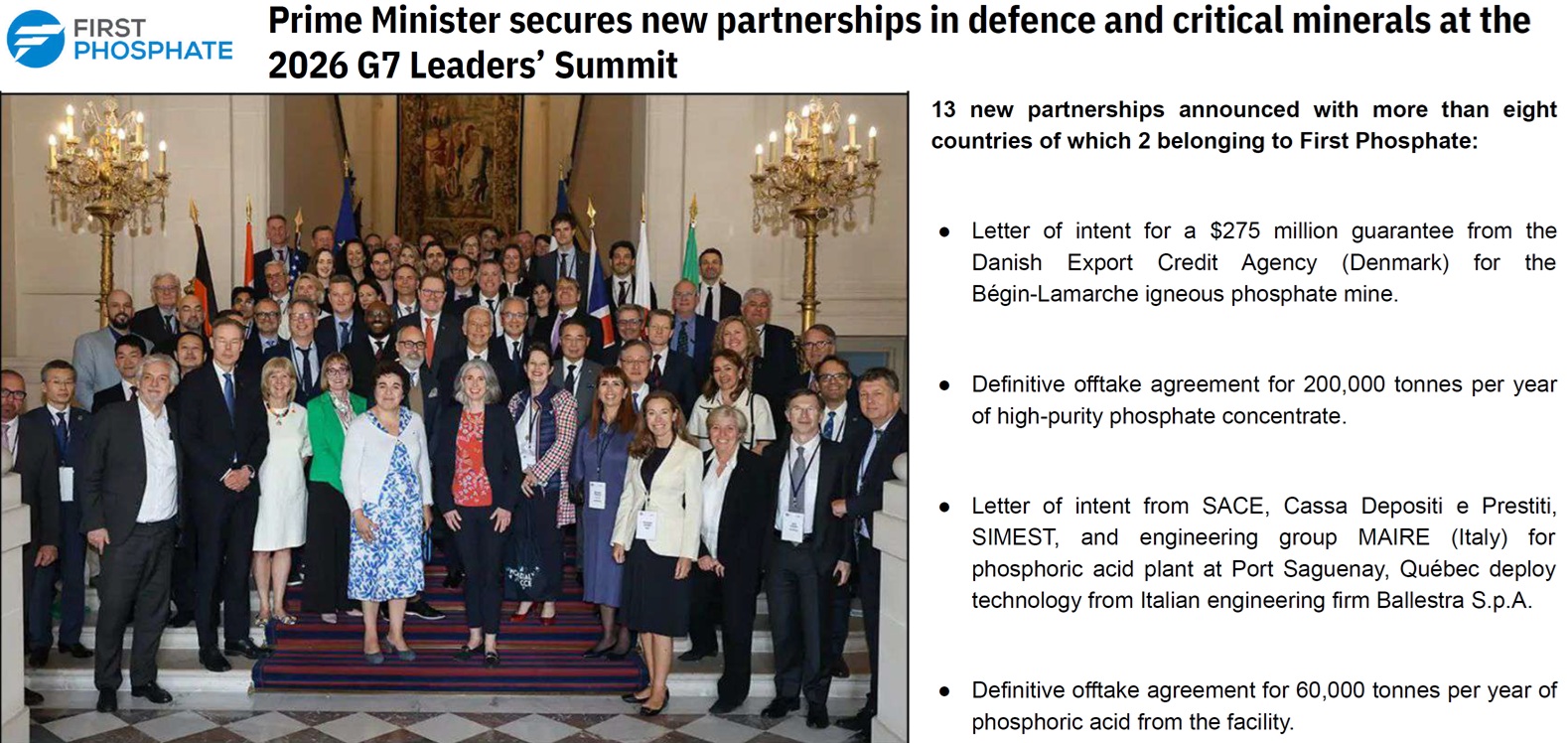
The funding, guarantees and LOIs remain subject to due diligence, final approvals and continued project advancement. They do, however, show that Bégin-Lamarche is increasingly being evaluated not only as a mining project, but as part of a wider Western battery-materials strategy. Government and export-credit participation could also help attract strategic partners, equipment suppliers and commercial lenders to a future construction-financing package.
Offtake demand is building
A mining project ultimately requires customers. First Phosphate has disclosed definitive offtake agreements covering both phosphate concentrate and phosphoric acid. The reported volumes include ~200,000 tonnes per year of phosphate concentrate and 60,000 tonnes per year of phosphoric acid. The company has also received an initial offtake prepayment from an existing partner. This moves the commercial story beyond general interest. Prospective customers are not only discussing future supply but are beginning to reserve product and commit capital.
Independent scientific support
Researchers from Queen’s University and the Université du Québec à Chicoutimi have completed detailed work on the deposit’s mineralogy, chlorine content, concentrate quality, trace elements and geological origin. Their findings provide an independent technical framework for evaluating both the quality of the apatite and its potential suitability for downstream processing.
Bégin-Lamarche has also been the subject of peer-reviewed academic research. This is important because the case for the project does not depend solely on company statements. Independent scientific work helps explain why the deposit may differ from conventional phosphate sources and why its mineralogy may be relevant to high-purity applications.
Validation is coming from multiple directions
Taken together, government support, commercial commitments, scientific research, technical partnerships and downstream testing provide several independent forms of validation. None guarantees development, but collectively they show that Bégin-Lamarche is increasingly being evaluated as part of a broader Western battery-materials strategy.
MANAGEMENT AND EXECUTION
Transforming resource potential into industrial reality
In mining, the quality of the deposit creates the opportunity. The quality of the team determines whether that opportunity advances. First Phosphate has moved Bégin-Lamarche from discovery toward feasibility in about 3.5 years. During that period, management defined a substantial resource, completed a PEA, advanced drilling and metallurgy, tested downstream applications and began preparing the project for its next stage.
What stands out is that the company has not treated Bégin-Lamarche as a mine in isolation. While advancing the resource, management has also worked with prospective customers, specialist partners, governments and financing institutions to address the project’s technical, commercial and financial requirements in parallel.
This coordination is particularly important for a project targeting the battery industry. The product must not only be mined successfully, but also processed to demanding specifications, transported efficiently, accepted by customers and supported by a financing structure capable of carrying the project through construction. Addressing these requirements early may help identify constraints before they become more difficult or costly to resolve.
The team reflects these requirements, with experience spanning geology, mine development, metallurgy, phosphoric acid processing, government relations, Indigenous engagement, project finance and capital markets. Management’s role is therefore to connect the project’s essential parts:
Resource › Processing › Infrastructure › Customers › Government › Capital
Each element depends on the others. A strong deposit without processing expertise remains only a resource. A high-quality product without customers lacks a market. Government support without financing does not build a mine, and financing without permits cannot move into construction.
Execution will now depend on coordination. Engineering decisions must reflect customer specifications, permitting work must align with the proposed mine and processing design, and financing discussions must be supported by credible schedules, costs and commercial agreements.
The next phase is where much of the project’s remaining potential could become visible. As First Phosphate advances feasibility, permitting, product qualification, project financing and construction readiness, each completed milestone could reduce uncertainty and strengthen the project’s credibility with investors, customers, strategic partners and prospective financing institutions.
Management has already assembled many of the building blocks. The opportunity now lies in bringing them together into one executable industrial plan and demonstrating that Bégin-Lamarche can progress from a promising resource into a construction-ready battery-materials project.
For investors, the significance of the current stage is that many of the milestones capable of changing how the project is understood and recognized still lie ahead.
THE DEVELOPMENT ROADMAP
From discovery to commercial production
The next phase is about converting the project’s existing momentum into the approvals, technical certainty and financing required to build.
- The feasibility study is expected to provide a more detailed picture of the mine plan, processing route, construction requirements, costs and schedule. Its importance lies in replacing preliminary assumptions with a more advanced development plan that lenders and strategic partners can assess.
- Permitting will be equally important. Progress through environmental review, consultation and regulatory approvals could steadily reduce uncertainty and move Bégin-Lamarche closer to construction readiness. Québec’s Filon support status may assist coordination with the relevant authorities, although all required reviews and approvals must still be completed.
- Commercial qualification represents another major step. First Phosphate must demonstrate that its products can meet customer requirements consistently and at the scale required by the battery industry. Successful qualification could strengthen existing commercial relationships and open the door to additional customers.
- Financing would bring these workstreams together. The company must ultimately convert government support, export-credit interest, offtake agreements and lender discussions into a binding construction-financing package.
Feasibility › Permits › Product qualification › Financing › Final investment decision › Construction
The opportunity lies in this progression. Much of the project’s foundation is already in place, while several of its most important development milestones still lie ahead.
Each successful step could reduce uncertainty, strengthen confidence among lenders, customers and strategic partners, and move First Phosphate closer to becoming a permitted, financed and construction-ready North American battery-materials project.
For investors, the potential upside lies in the progressive reduction of technical, regulatory, commercial and financing uncertainty as Bégin-Lamarche advances toward construction and commercial production.
BOTTOM LINE
Every industrial transformation eventually reveals the material on which its future depends. For years, the battery revolution focused on lithium, nickel and cobalt. The rise of LFP batteries is now bringing another essential material into focus: Phosphate.
North America wants to manufacture more batteries, deploy more energy storage and reduce its dependence on China. But battery independence cannot begin in a factory alone. It must begin much further upstream: With secure access to the right raw materials and the ability to process them into products that meet demanding battery-industry specifications.
This is where the First Phosphate investment case begins. Bégin-Lamarche is not simply another phosphate deposit. Work completed to date indicates that its unusual igneous mineralization may produce a high-grade apatite concentrate with comparatively low levels of several unwanted elements.
The project may also produce magnetite and, subject to further testing and economic evaluation, ilmenite as a potential titanium by-product, along with comparatively clean phosphogypsum. More of the mined rock could therefore become useful product rather than waste, potentially improving resource efficiency and broadening the project’s long-term industrial relevance.
Just as importantly, Bégin-Lamarche is located in Québec, where paved roads, low-carbon hydropower, industrial expertise and the Port of Saguenay provide many of the foundations required to turn geology into industry. The regional setting could also support closer integration between mining, processing, logistics and future downstream manufacturing.
First Phosphate is therefore pursuing more than a mine. Its planned pathway reaches from the deposit through mineral concentration and purified phosphoric acid into the North American battery industry.
Material from Bégin-Lamarche has already completed an early version of that journey. Project-derived phosphoric acid and iron have been used in commercial-format LFP battery cells. This is not yet commercial-scale qualification but it is a powerful proof of concept: Rock from Québec has already entered a functioning battery. The project has also attracted government funding, commercial offtakes, export-credit interest, scientific validation and downstream technical partners.
These developments show that Bégin-Lamarche is beginning to move beyond a company vision and toward a broader industrial undertaking with growing strategic relevance. The decisive development milestones (feasibility, permitting, commercial qualification and binding project financing) remain ahead. That is precisely what gives investors rare public-market exposure to an emerging industrial platform before many of its most important milestones are completed.
The First Phosphate investment case is no longer based solely on geological potential. The company has established a large resource, advanced metallurgy, demonstrated an early downstream pathway and begun assembling the customers, governments and technical partners required for development. At the same time, many of the milestones capable of increasing technical confidence, institutional recognition and market awareness remain ahead.
If management converts today’s momentum into construction and commercial production, Bégin-Lamarche could become:
- A new Western source of high-purity phosphate
- A foundation for purified phosphoric acid production
- A supplier of both phosphate and iron to the battery-materials industry
- An anchor for an emerging Québec industrial district
- A strategic link in a North American battery supply chain less dependent on China
The broader opportunity may extend well beyond the mine itself. Bégin-Lamarche could provide the resource foundation for additional products, downstream processing and future discoveries across the wider geological district, potentially helping turn the vision of a Québec Battery Valley into an integrated industrial reality built around resource security, technical capability and strategic independence.
The central investment case is therefore not simply that First Phosphate controls a phosphate deposit. It is that the company may control the right type of phosphate, in the right jurisdiction, at the precise moment when North America is beginning to build the supply chain that needs it most.
Battery independence does not begin inside a factory. It begins much earlier, with geology, infrastructure and the conviction to build an entire supply chain from the ground up.
And in Québec, First Phosphate may have found not only the resource behind that future but the place where North America’s next battery era can truly begin.
THE ROCKS BEHIND A NEW BATTERY SUPPLY CHAIN
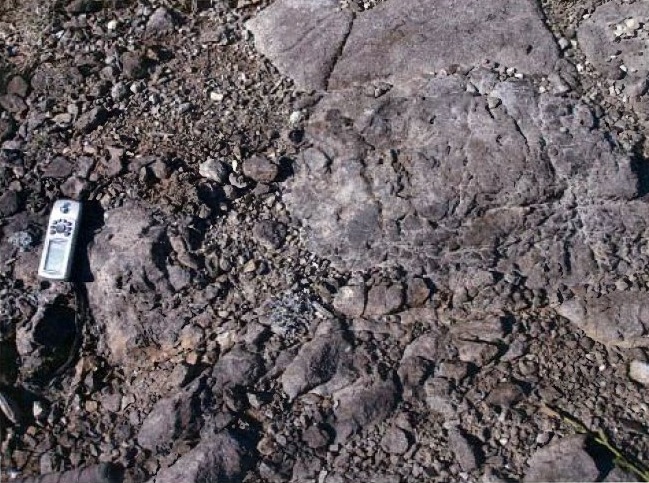
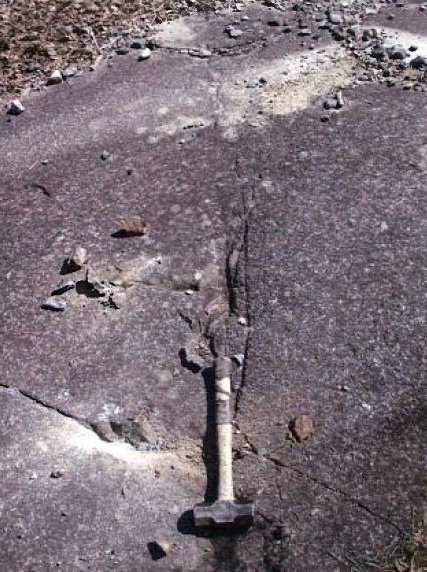
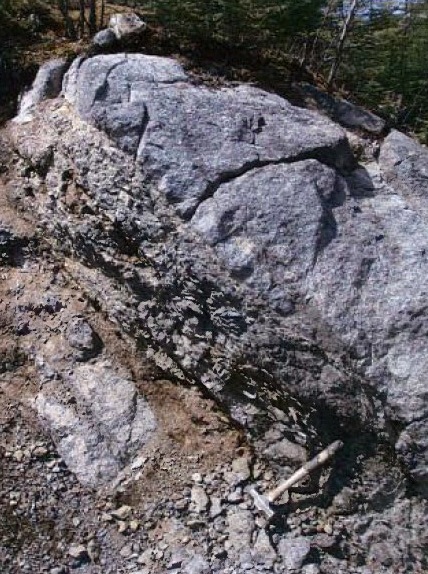
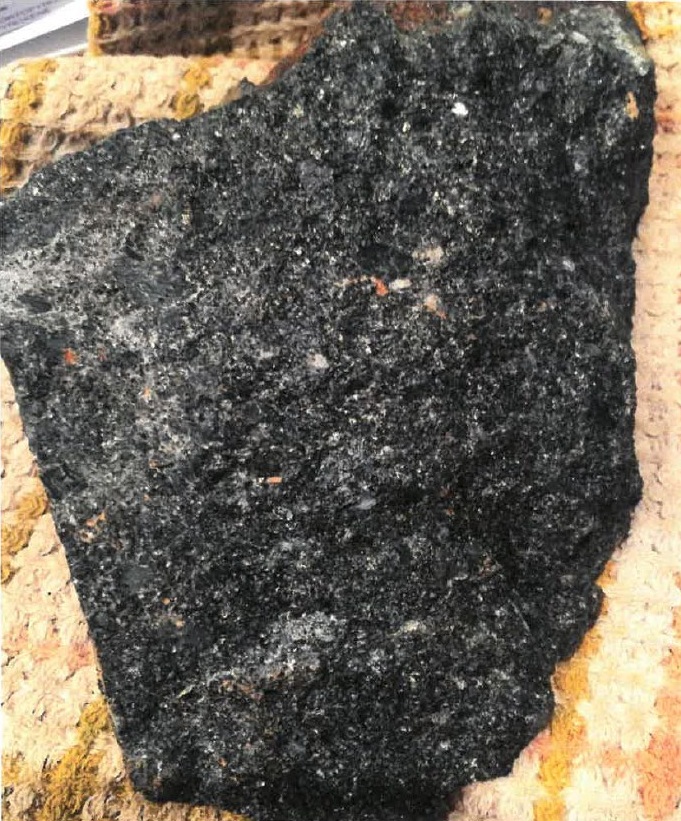
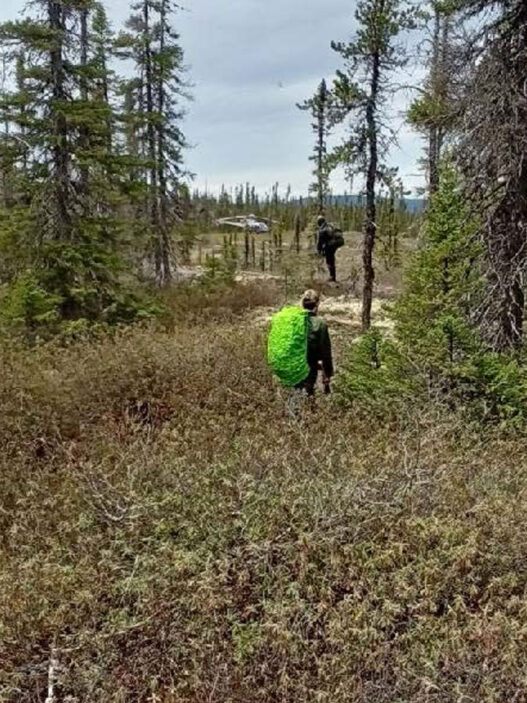
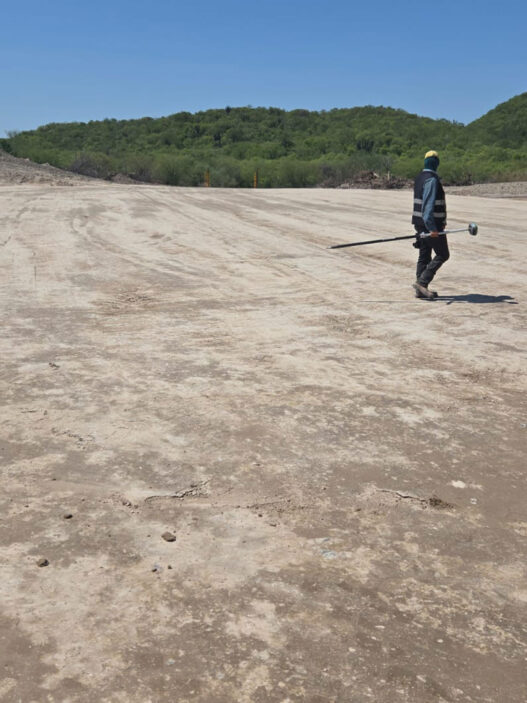
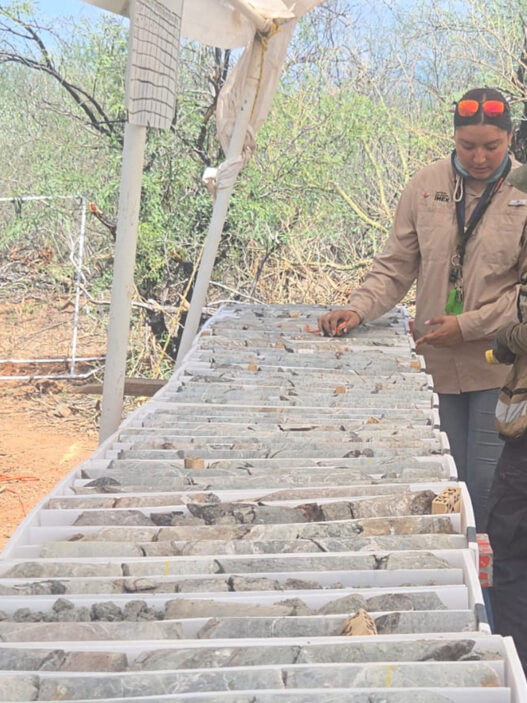
These images show the geological foundation of Bégin-Lamarche:
- Phosphate-bearing igneous rocks exposed at surface and examined in hand sample.
- They show phosphate-bearing igneous rocks, outcrops and hand samples from across the project area.
- Their importance lies not in appearance alone, but in what they may become after processing.
- Testing indicates that Bégin-Lamarche material can be upgraded into a high-grade apatite concentrate with comparatively low levels of several unwanted elements.
- From exposed bedrock in Québec to concentrate, purified phosphoric acid and ultimately LFP battery materials, the development concept begins here.
- These rocks represent the first physical step in First Phosphate’s ambition to help build a North American battery-materials supply chain. (Source: Bégin-Lamarche Phosphate Property Preliminary Economic Assessment, 2024)
Company Details

First Phosphate Corp.
1500 Royal Centre, 1055 West Georgia St.
Vancouver, B.C. V6E 4N7 Canada
www.firstphosphate.com
ISIN: CA33611D1033 / CUSIP: 33611D102
Shares Issued & Outstanding: 189,144,530
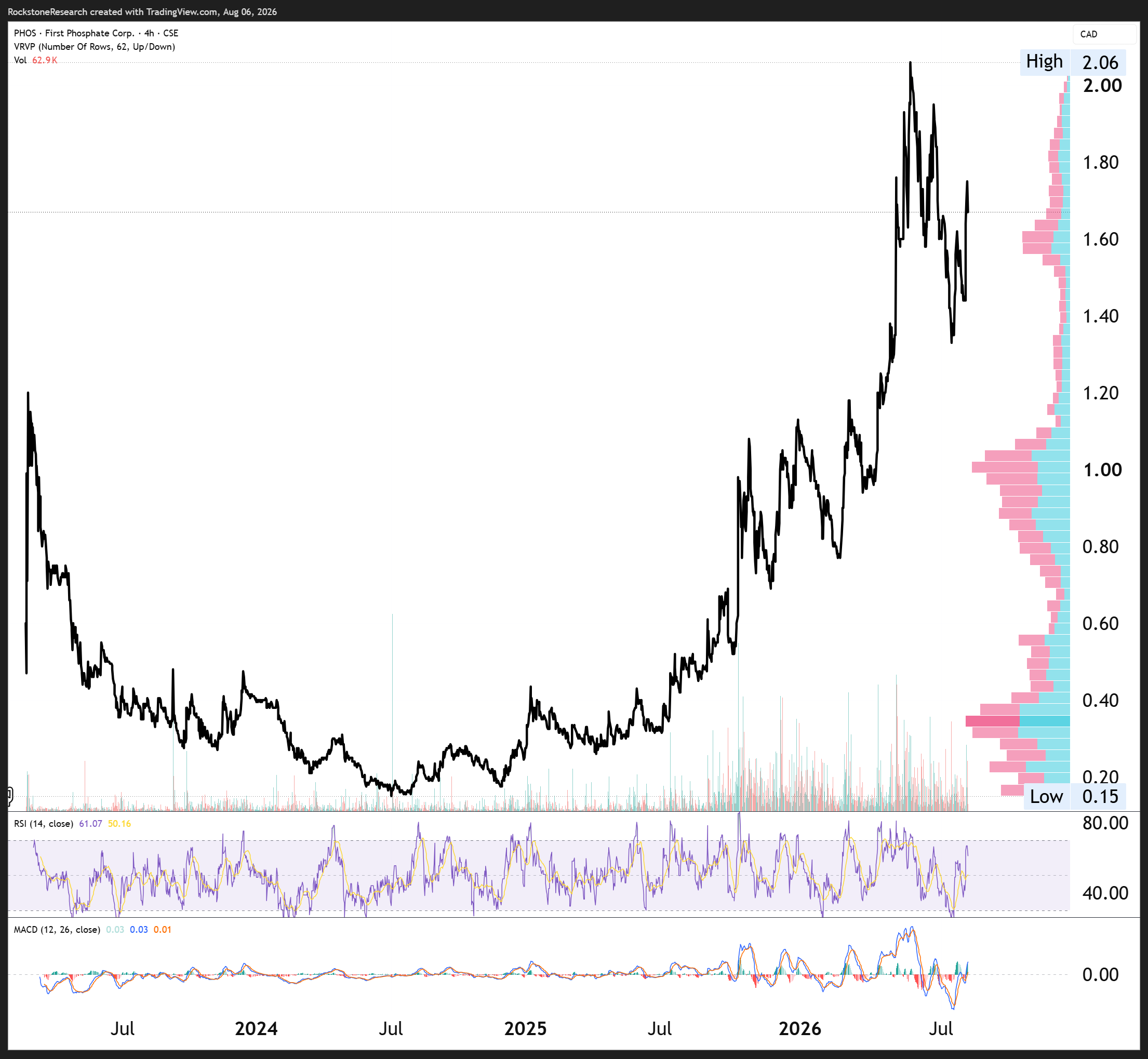
Canada Symbol (CSE): PHOS
Current Price: 1.63 CAD (08/05/2026)
Market Capitalization: 308 Million CAD
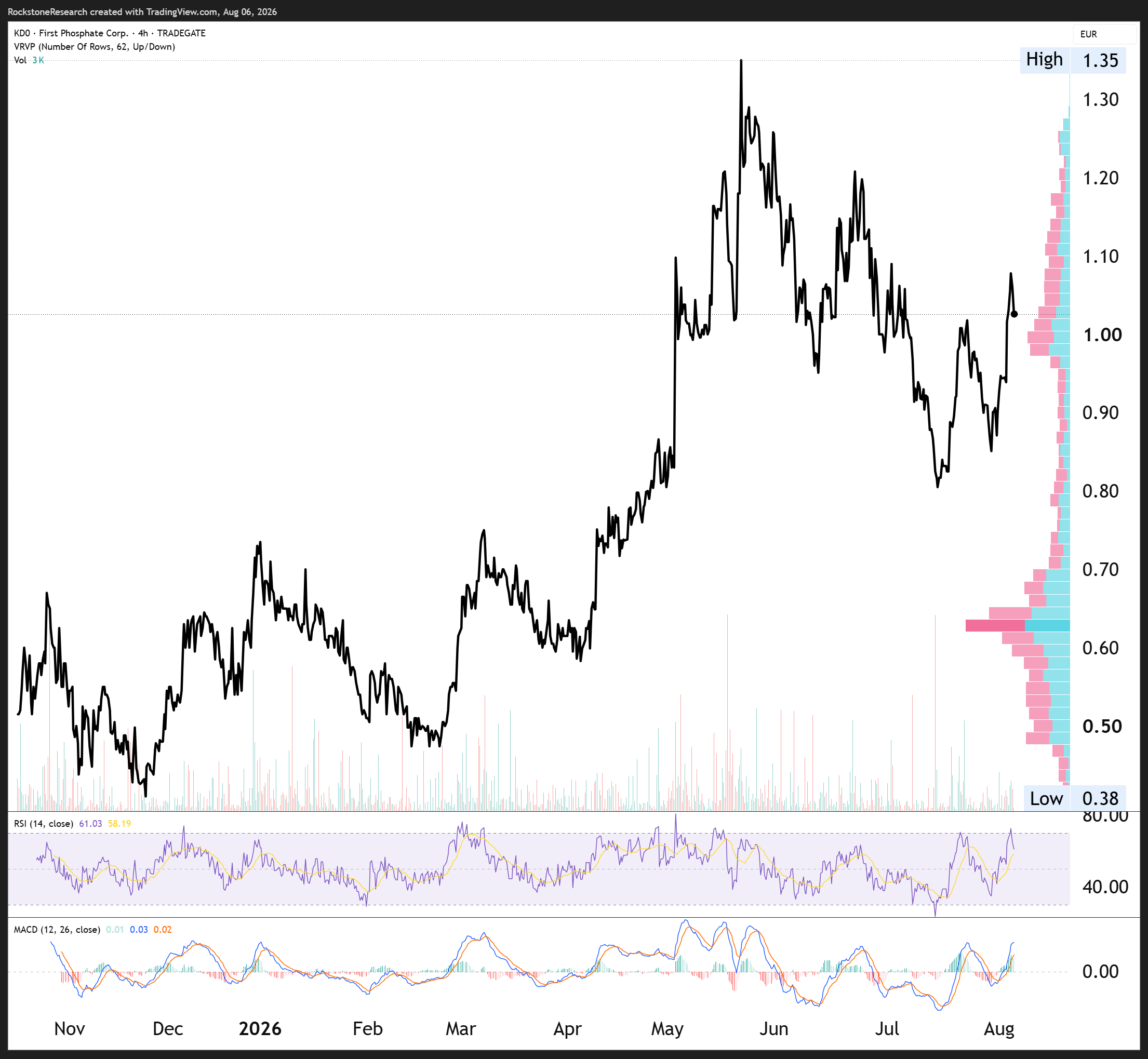
Germany Symbol / WKN (Tradegate): KD0 / A3DQCH
Current Price: 1.02 EUR (08/06/2026)
Market Capitalization: 194 Million EUR
Contact
Rockstone News & Research
Stephan Bogner (Dipl. Kfm., FH)
Müligässli 1, 8598 Bottighofen
Switzerland
Phone: +41-71-5896911
Email: info@rockstone-news.com
Disclaimer and Information on Forward Looking Statements: Rockstone and First Phosphate Corp. (“First Phosphate” or the “Company”) caution investors that any forward-looking information provided herein is not a guarantee of future results or performance, and that actual results may differ materially from those expressed or implied in forward-looking information as a result of various factors. Readers are referred to First Phosphate’s public filings for a more complete discussion of such risk factors and their potential effects, which may be accessed through the Company’s documents filed on SEDAR+ at www.sedarplus.ca. All statements in this report, other than statements of historical fact, should be considered forward-looking statements. Much of this report is comprised of statements of projection, interpretation, opinion and expectation. Such statements involve known and unknown risks, uncertainties and other factors that may cause actual results, events or developments to differ materially from those anticipated in these forward-looking statements. There can be no assurance that such statements will prove to be accurate, as actual results and future events could differ materially from those anticipated in such statements. Forward-looking statements in this report include statements, interpretations, conclusions, geological comparisons, strategic observations, project-development commentary, processing commentary and market commentary regarding First Phosphate, the Bégin-Lamarche Phosphate Project, the Company’s broader Québec phosphate properties and its strategy to supply phosphate-based materials to the North American lithium iron phosphate (LFP) battery industry. Forward-looking statements include expectations regarding the advancement of Bégin-Lamarche through feasibility studies, environmental assessment, permitting, Indigenous and community consultation, product qualification, detailed engineering, project financing, final investment decision, construction, commissioning and potential commercial production. Forward-looking statements further include expectations regarding the size, grade, continuity, geometry, depth extent and potential expansion of mineralization at Bégin-Lamarche, including assumptions that the currently defined mineralized zones may remain open at depth or along strike, may support additional resources or reserves, or may ultimately form the basis of a commercially viable mining operation. Forward-looking statements include expectations regarding the Company’s planned and ongoing drilling, geological modelling, geophysical work, metallurgical testing, sampling, resource definition, resource conversion, exploration targeting and district-scale exploration activities across its broader land position in the Saguenay-Lac-Saint-Jean region. Forward-looking statements also include expectations regarding the preliminary economic assessment (PEA), the feasibility study and any subsequent engineering or technical studies, including assumptions regarding mine design, open-pit development, production rates, recoveries, processing methods, capital costs, operating costs, mine life, project schedule, infrastructure requirements, product specifications, by-product recovery and economic performance. Forward-looking statements include expectations regarding the production of phosphate concentrate, purified phosphoric acid, magnetite, ilmenite, phosphogypsum and other potential products or by-products, including assumptions regarding recoveries, concentrate grades, impurity levels, chlorine levels, sulfide content, product consistency, marketability, customer acceptance, regulatory approval and future revenue contribution. Forward-looking statements further include expectations regarding the suitability of Bégin-Lamarche material for battery-related applications, including assumptions that phosphate concentrate produced from the deposit may be converted into battery-grade purified phosphoric acid, iron-phosphate precursor, LFP cathode active material or commercial-format battery cells. Forward-looking statements include expectations regarding the significance of laboratory testing, pilot-scale testing, commercial-format cell production and other technical demonstrations involving material derived from Bégin-Lamarche. There can be no assurance that results achieved at laboratory, pilot or demonstration scale will be replicated consistently, economically or successfully at commercial scale. Forward-looking statements also include expectations regarding First Phosphate’s relationships with technical partners, engineering companies, equipment suppliers, processing specialists, battery-material companies, battery-cell producers, universities, governments, export-credit institutions, prospective customers and financing partners. Forward-looking statements include expectations regarding announced memoranda of understanding, letters of intent, technical cooperation arrangements, offtake agreements, prepayments, government contributions, potential export-credit support and other commercial or strategic relationships. Such arrangements may be non-binding, conditional, subject to due diligence, subject to financing, dependent on future technical results or otherwise subject to amendment, delay or termination. Forward-looking statements further include expectations regarding the Company’s ability to develop a vertically connected supply chain extending from phosphate rock through concentrate, purified phosphoric acid, battery materials and ultimately LFP battery production in North America. Forward-looking statements include expectations regarding the development of Saguenay-Lac-Saint-Jean as a regional phosphate-processing or battery-materials centre, including references to a potential Québec “Battery Valley,” an integrated battery-materials hub, regional downstream processing, shared infrastructure, port logistics, future industrial facilities and broader economic development. Forward-looking statements also include expectations regarding the strategic importance of Québec, including access to hydroelectric power, roads, rail, industrial services, skilled labour, the Port of Saguenay, government support, critical-mineral policies and coordination under provincial initiatives such as Filon. Forward-looking statements include expectations regarding North American and global demand for LFP batteries, phosphate concentrate, purified phosphoric acid and related battery materials, including assumptions regarding electric-vehicle adoption, stationary energy storage, data-centre demand, industrial electrification, government industrial policy, battery-manufacturing capacity and efforts to reduce dependence on Chinese supply chains. Forward-looking statements further include comparisons between igneous and sedimentary phosphate deposits, including assumptions regarding concentrate grade, impurity levels, processing intensity, purification requirements, product quality, by-product potential and suitability for battery applications. Such comparisons are provided for context only and do not guarantee that Bégin-Lamarche will achieve superior technical, environmental, commercial or economic outcomes. Forward-looking statements include expectations regarding the Company’s ability to obtain financing, attract strategic investors, secure government support, arrange export-credit guarantees, enter into binding commercial agreements and fund the development, construction and operation of the Bégin-Lamarche Project and any related downstream facilities. Forward-looking statements also include expectations regarding the potential effect of future milestones on investor awareness, institutional recognition, strategic interest, financing availability, project credibility, market perception, securities liquidity or share-price performance. Development-Stage Risks: First Phosphate is a development-stage mineral company. Bégin-Lamarche has not reached commercial production, and there can be no assurance that the project will be developed into an operating mine or that any related processing facility will be constructed. Substantial additional work is required before any construction or production decision may be made, including feasibility studies, engineering, metallurgical testing, environmental assessment, permitting, community and Indigenous consultation, product qualification, commercial negotiations and financing. Mineral Resource and Reserve Risks: Mineral resources are not mineral reserves and do not have demonstrated economic viability. There can be no assurance that all or any portion of the mineral resources at Bégin-Lamarche will be converted into mineral reserves. Resource estimates are based on geological interpretation, drilling, sampling, analytical results, density assumptions, cut-off grades, commodity-price assumptions and other technical factors. Estimates may change materially as additional information becomes available. Additional drilling may fail to confirm expected continuity, grade, geometry or tonnage, and future technical studies may result in reductions or revisions to previously reported mineral resources. Preliminary Economic Assessment Risks: The PEA is preliminary in nature and includes inferred mineral resources that are considered too speculative geologically to have economic considerations applied to them that would enable classification as mineral reserves. There can be no assurance that the results, assumptions or economic projections contained in the PEA will be realized. Capital costs, operating costs, recoveries, mine life, production rates, commodity prices, exchange rates, discount rates, construction schedules and infrastructure assumptions may change materially in future studies. A feasibility study may produce results that are less favourable than those presented in the PEA. Feasibility and Engineering Risks: Statements regarding the timing, scope, completion or results of a feasibility study are forward-looking. Technical studies may be delayed, modified, suspended or expanded. Engineering work may identify additional technical requirements, higher costs, lower recoveries, more complex processing conditions or longer construction timelines than currently anticipated. There can be no assurance that the project will achieve feasibility-level economics, that a final investment decision will be made or that construction will proceed. Metallurgical and Processing Risks: Statements regarding beneficiation, flotation, concentrate grade, recoveries, impurity removal, phosphoric acid production, purification, by-product recovery and product quality are based on testing completed to date and remain subject to further verification. Laboratory or pilot-scale results may not be representative of commercial-scale operations. Recoveries, reagent consumption, throughput, product quality and plant performance may differ materially at larger scale. The proposed processing route may require additional development, redesign, equipment changes or capital investment before commercial implementation. Battery-Grade Product Risks: Battery-grade materials must meet demanding and often customer-specific requirements concerning purity, consistency, particle characteristics, trace elements and manufacturing performance. There can be no assurance that Bégin-Lamarche concentrate or phosphoric acid will consistently satisfy the specifications required by battery-material or battery-cell manufacturers. Product qualification may take longer than expected, require repeated testing or fail entirely. Successful production of laboratory-scale or commercial-format battery cells does not guarantee commercial acceptance or large-scale customer qualification. Phosphoric Acid Facility Risks: Statements regarding a proposed purified phosphoric acid facility, including its potential location, ownership, capacity, technology, financing, partners, construction schedule and commercial output, are forward-looking. Such a facility would require engineering, environmental approvals, permits, financing, infrastructure, technology agreements, feedstock supply and customer commitments. There can be no assurance that the facility will be financed, permitted, constructed, commissioned or operated as currently contemplated. By-Product Risks: Statements regarding the potential production or sale of magnetite, ilmenite, titanium-related products, phosphogypsum or other by-products are forward-looking. Further metallurgical testing, engineering, environmental evaluation, regulatory approval, market analysis and customer qualification may be required. There can be no assurance that such by-products will be recovered economically, meet commercial specifications, obtain regulatory approval or generate revenue. Environmental and Acid-Rock Drainage Risks: Statements regarding comparatively low sulfide content, reduced acid-rock drainage potential, cleaner phosphogypsum or other environmental advantages are based on current testing and interpretation. Additional environmental studies may identify impacts, risks or mitigation requirements not presently anticipated. Low sulfide content does not eliminate environmental risk, and the project will remain subject to water management, tailings management, waste-rock management, reclamation, biodiversity, emissions and other environmental obligations. Permitting and Regulatory Risks: Mining, processing and infrastructure development are subject to federal, provincial and local laws, environmental review, permits, approvals, consultations and authorizations. There can be no assurance that First Phosphate will obtain or maintain all required permits or that approvals will be obtained within expected timelines or on acceptable conditions. Government priorities, permitting procedures, environmental standards, fiscal regimes and regulatory requirements may change. Filon status or other government recognition does not guarantee permits, financing, construction or production. Indigenous and Community Relations Risks: The project is subject to consultation, engagement and relationship-building with Indigenous communities, local communities, land users, municipalities and other stakeholders. There can be no assurance that agreements will be reached or maintained, that community support will continue or that consultation processes will be completed within anticipated timelines. Social, cultural, legal, environmental or economic concerns may affect project design, timing, costs, permits or development. Infrastructure and Logistics Risks: Statements regarding roads, rail, electrical infrastructure, hydroelectric power, skilled labour, industrial services and access to the Port of Saguenay are forward-looking. Existing infrastructure may require upgrades, expansion, agreements, additional permits or substantial capital expenditures. Transportation capacity, electricity availability, port access, equipment supply, contractor availability, weather conditions, labour constraints and supply-chain disruptions may affect costs and schedules. Government Funding and Export-Credit Risks: Government contributions, grants, incentives, support programs and export-credit interest may be conditional, reimbursable in certain circumstances, milestone-dependent or subject to continued compliance. Letters of intent or expressions of interest from governments or export-credit institutions are not binding financing commitments. There can be no assurance that proposed guarantees, contributions or other forms of public support will receive final approval, remain available or be sufficient to advance construction. Offtake and Customer Risks: Statements regarding offtake agreements, future sales volumes, customer commitments, prepayments and future demand are forward-looking. Offtake arrangements may be conditional on product specifications, qualification, delivery schedules, pricing mechanisms, project financing, mine construction or other requirements. Customers may terminate, renegotiate, defer or fail to perform under agreements. There can be no assurance that anticipated sales volumes will be achieved or that products will be sold on commercially acceptable terms. Partner and Counterparty Risks: First Phosphate’s strategy relies in part on third-party engineering firms, technology providers, processors, equipment suppliers, contractors, customers, governments and financial institutions. The Company may not control the performance, timing, financial capacity or strategic decisions of such parties. Partners may withdraw, delay work, change priorities, fail to meet obligations or require revised commercial terms. The loss of a key partner could delay or impair project advancement. Construction and Commissioning Risks: Construction of a mine, concentrator, phosphoric acid facility or related infrastructure involves risks of cost overruns, delays, contractor disputes, engineering changes, equipment failures, labour shortages, supply-chain disruptions and commissioning difficulties. There can be no assurance that construction will be completed on schedule or within budget, or that facilities will achieve designed production rates, recoveries, costs or product quality. Financing and Capital-Markets Risks: The development of Bégin-Lamarche and related downstream facilities is expected to require substantial capital. First Phosphate may seek financing through equity, debt, strategic investment, government support, offtake prepayments, export-credit facilities or other arrangements. There can be no assurance that financing will be available when required, in sufficient amounts or on acceptable terms. Future financings may result in shareholder dilution, restrictive covenants, security over assets or other obligations. Capital-market conditions, interest rates, investor sentiment, commodity prices and broader economic conditions may affect the Company’s ability to raise funds. Commodity-Price and Market Risks: The Company’s prospects may be affected by prices for phosphate concentrate, purified phosphoric acid, iron products, titanium products and other potential outputs. Prices may fluctuate due to global supply and demand, fertilizer markets, battery demand, energy costs, trade policy, currency movements, technological change and geopolitical developments. Lower-than-expected prices or demand may adversely affect project economics, financing availability and development decisions. LFP Battery-Market Risks: Statements regarding the continued growth of LFP batteries are subject to technological, competitive and market uncertainty. Alternative battery chemistries may gain market share, battery designs may require less phosphate, recycling may reduce demand for newly mined materials or manufacturing capacity may grow more slowly than expected. Changes in government incentives, trade policy, consumer demand, raw-material prices or battery performance could affect the outlook for LFP-related phosphate demand. China and Supply-Chain Risks: Statements regarding North American efforts to reduce dependence on China and build allied-country battery supply chains are strategic expectations and not guarantees. Chinese producers may retain cost, scale, technology or supply-chain advantages. North American projects may face higher construction, labour, energy, permitting or operating costs. Trade restrictions, tariffs, subsidies, export controls or geopolitical developments may alter competitive conditions in unpredictable ways. Québec Battery Valley and Regional-Hub Risks: References to a Québec “Battery Valley,” integrated battery-materials hub or regional industrial cluster are forward-looking and aspirational. Such an industrial ecosystem would require substantial investment, permitting, infrastructure, customers, technology, financing and participation from multiple independent companies and governments. There can be no assurance that the proposed regional hub will be developed, that related facilities will be constructed or that First Phosphate will become its resource anchor. District-Scale Exploration Risks: Statements suggesting that Bégin-Lamarche may anchor a wider phosphate district or support future discoveries across First Phosphate’s Québec land position are speculative. Additional targets require exploration, drilling, metallurgical testing and economic evaluation. There can be no assurance that further deposits will be discovered, that discoveries will contain similar mineralization or product characteristics, or that additional resources will become economically viable. Geological Interpretation Risks: Statements regarding anorthosite-hosted phosphate mineralization, magmatic processes, structural controls, mineralized zones, geological continuity, district-scale prospectivity or similarities to other phosphate deposits are interpretive. Geological models may change materially as additional drilling, mapping, geophysical data, sampling and analytical results become available. Peer-reviewed research or geological comparison does not guarantee the discovery or development of an economic deposit. Comparative Analysis Risks: Statements comparing Bégin-Lamarche with sedimentary deposits, other igneous phosphate deposits, operating mines, development projects, jurisdictions, processing routes or battery-material supply chains are based on available information and analytical judgment. Such comparisons are inherently subjective and should not be interpreted as guarantees of similar grades, recoveries, product quality, costs, project economics, financing outcomes, development success, market recognition or share-price performance. Jurisdictional and Political Risks: Although Québec and Canada are generally regarded as established mining jurisdictions, the project remains subject to political, legal, regulatory, fiscal, environmental and social risks. Mining laws, tax regimes, royalties, environmental requirements, Indigenous consultation obligations, labour regulation, government policies and critical-mineral strategies may change. Government support or strategic designation does not eliminate development or political risk. Currency and Inflation Risks: Project expenditures may be incurred in Canadian dollars, US dollars, euros or other currencies. Changes in exchange rates may affect capital costs, operating costs, equipment purchases, financing obligations and reported economic results. Inflation in labour, energy, equipment, reagents, construction materials or transportation may materially increase project costs. Technical Report and Data Risks: This report relies on publicly available information, First Phosphate news releases, corporate presentations, technical reports, scientific publications, government announcements and other sources believed to be reliable. Rockstone and the author have not independently verified all technical data, resource estimates, metallurgical results, economic assumptions, ownership information, mineral rights, environmental information, permitting status, commercial agreements, government support or financing arrangements. Readers should consult First Phosphate’s official public disclosure and applicable technical reports filed on SEDAR+. Forward-looking statements are based on current expectations, estimates, interpretations and assumptions that are inherently subject to uncertainty. Actual results may differ materially from those expressed or implied in the forward-looking statements contained in this report. Accordingly, readers should not place undue reliance on forward-looking information. Rockstone and the author of this report do not undertake any obligation to update any statement made herein except as required by applicable law. Past performance, metallurgical results, exploration success, preliminary economic assessments, comparisons to other companies, projects, mines, jurisdictions, battery-material developments, capital-market events or industry trends are provided for illustrative purposes only and should not be considered indicative of future results.
Disclosure of Interest and Advisory Cautions: Nothing in this report should be construed as a solicitation, offer or recommendation to buy or sell any securities mentioned. Rockstone, its owners and the author of this report are not registered broker-dealers, investment advisors or financial advisors. Before making any investment decision, readers should consult with a qualified financial advisor, registered broker-dealer and, where appropriate, legal or tax professionals. Readers should never make an investment decision based solely on an online or printed report, including this Rockstone report, especially where the securities discussed involve small, thinly traded or early-stage public companies. The author of this report, Stephan Bogner, was paid 21,000 CAD by Connect 4 Marketing Ltd. on behalf of First Phosphate Corp. for services related to the preparation, publication and dissemination of this initiating report over a 3-month service period. This compensation represents a conflict of interest and may affect the objectivity of this report. As of the date of this report, the author does not own securities of First Phosphate Corp., but intends to initiate a position. If the author acquires securities of First Phosphate, he may benefit from increases in trading volume or share-price appreciation. The author may buy or sell securities of First Phosphate, or securities of comparable companies, at any time without notice, which may give rise to additional conflicts of interest. Accordingly, multiple conflicts of interest exist. The information contained in this report should not be construed as independent financial analysis, investment research or a recommendation. This report should be understood as a paid promotional publication and does not replace individual investment advice. The views and opinions expressed in this report are those of Rockstone and the author and are based on information received from the company, company representatives, publicly available disclosure and other public-domain sources believed to be reliable. Rockstone and the author have not undertaken independent due diligence or independent verification of all information contained in this report. Rockstone and the author do not guarantee the accuracy, completeness, timeliness, usefulness or fitness for any particular purpose of any information, data, statement, interpretation, estimate, projection, comparison, chart, table, image or other content contained herein. Rockstone and the author do not guarantee that any company mentioned in this report will perform as expected, that any exploration results will lead to mineral resources, economic deposits or mine development, or that any comparisons to other companies, projects, jurisdictions or market outcomes will prove valid or come into effect. For the avoidance of doubt, this report is not intended for distribution to, or use by, any person or entity in any jurisdiction where such distribution, publication or use would be contrary to applicable law or regulation. Readers are solely responsible for ensuring that their access to, review of and use of this report is lawful in their jurisdiction. Neither Rockstone nor the author accepts liability for any direct or indirect loss, damage, cost or expense arising from the use of this report or from any investment decision made in reliance on it. Please read the entire Disclaimer carefully. If you do not agree with the Disclaimer, do not access this website, this report or any related PDF or online publication. By accessing or using this website and/or report, whether or not you have actually read the Disclaimer, you are deemed to have accepted it. The information provided is educational and general in nature and should not be interpreted as personalized investment, financial, legal, tax or professional advice. Data, tables, figures and images, unless otherwise labeled, credited or hyperlinked, have been obtained from Stockwatch.com, TradingView.com, First Phosphate Corp. and public-domain sources. The cover picture has been obtained and licenced from 123rf.com.