Most junior resource companies advance in a linear fashion, moving from one milestone to the next over extended timelines. Homerun Resources Inc. is compressing that process. At this stage, the company is not progressing along a single track, but rather advancing on multiple fronts at once. That distinction matters, because in capital-intensive development stories, timing, coordination and momentum can be just as important as the underlying asset itself.
Within a strikingly short timeframe, Homerun is nearing completion of its Bankable Feasibility Study (BFS) for a 1,000 tonne per day solar glass manufacturing facility in Bahia, while simultaneously progressing project financing discussions and preparing to establish a presence on Brazil’s main stock exchange through a Sponsored BDR listing.
In doing so, the company is increasingly positioning itself not only as a project developer, but as a participant in the broader industrial and capital market framework emerging around Brazil’s energy transition.
Taken individually, each of these developments would be meaningful.
Occurring together, they suggest something more significant: A coordinated transition from development toward execution. This is no longer incremental progress.
It marks a clear shift into the next phase.
The BFS: The Bridge to Institutional Capital
In the lifecycle of industrial projects, few documents carry as much weight as a Bankable Feasibility Study. It is not merely a technical exercise, nor a formality required by convention. It is the foundation upon which capital decisions are made.
Institutional investors, development banks and strategic partners rely on the BFS to assess not only technical viability, but also economic resilience under real-world conditions. Without it, financing remains theoretical. With it, capital can engage.
With the final BFS now expected in late April, the market is approaching a near-term catalyst that could materially shape perceptions around financing and execution.
According to DTEC, the engineering partner responsible for the study, the project is already demonstrating a “very positive trend” toward realization. While such language may appear measured, in the context of feasibility studies it is often indicative of robust underlying parameters.
Perhaps more telling, however, is the pace at which this milestone is being reached. Management itself has emphasized that approaching completion of a BFS within this timeframe is rare in the materials sector, where complexity, coordination challenges and permitting considerations frequently introduce delays.
In this context, speed is not incidental. It reflects the strength and alignment of the underlying project fundamentals. It also points to a shift from supplier to system, suggesting that the project inputs (from resource quality to engineering assumptions and logistical considerations) are aligning in a way that allows for accelerated progress.
In an industry where timelines tend to stretch rather than compress, this alone warrants attention.
Funding in Motion
Even more revealing than the BFS itself is what is happening alongside it. While the study is still being finalized, Homerun has already been engaged in ongoing discussions with prospective financing partners. This overlap in progress meaningfully alters the usual sequence of project development.
In most cases, financing follows feasibility. The BFS is completed, reviewed and only then presented to capital providers as a basis for negotiation.
Here, the sequence appears to be overlapping. Capital is not waiting for the final document. It is positioning ahead of it. This behavior can carry important implications. It may reflect a level of institutional confidence in the project that precedes formal validation. It may also suggest that once the BFS is formally delivered, the transition into structured financing discussions could occur with reduced friction and compressed timelines.
If so, the gap between feasibility and funding (often one of the longest and most uncertain phases in project development) could narrow significantly.
The Brazilian Listing
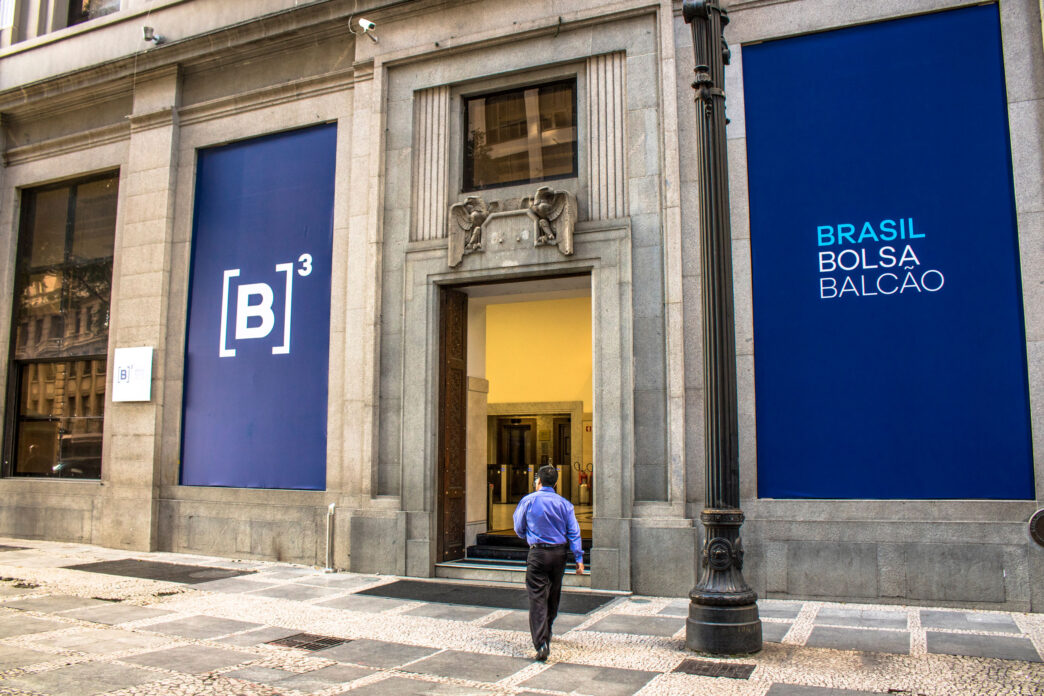
Running parallel to technical and financial progress is a third development that, at first glance, may appear more administrative than strategic: The establishment of a Sponsored Brazilian Depositary Receipt program on the B3 exchange.
In reality, this move deserves closer attention. Brazil is not only the jurisdiction in which Homerun’s project is located. It is also a capital environment shaped by national development priorities, institutional mandates and increasing investment focus on energy transition infrastructure.
By enabling its shares to trade locally in Brazilian Reais, Homerun is doing more than just broadening visibility. It is removing structural barriers that have historically limited participation from domestic investors. Pension funds, family offices and institutional allocators operating within Brazil often face regulatory, operational or mandate-related constraints when investing in foreign-listed securities. A locally traded instrument addresses these frictions directly.
In doing so, Homerun is aligning its capital structure with its geographic footprint. It is, in effect, positioning itself not as an external developer operating within Brazil, but as a participant in the country’s industrial and energy transition agenda.
An Underappreciated Dynamic
Beyond improved access to capital, the BDR structure introduces a less visible but potentially meaningful market dynamic. Each BDR issued must be backed by an underlying common share held in custody. As demand for BDRs increases, the depositary must source and lock up corresponding Homerun shares from the TSX Venture Exchange in Canada, thereby drawing on the company’s Canadian-listed float.
This creates a dual effect. On one side, demand broadens as a new investor base gains access. On the other, the freely tradable float may tighten as shares are effectively removed from circulation to support the BDR program.
In larger, highly liquid markets, such mechanisms may have limited impact. In the context of a small-cap company, however, changes in float dynamics can influence trading behavior, liquidity and price discovery. It is a structural nuance that often goes unnoticed. But it is not without consequence.
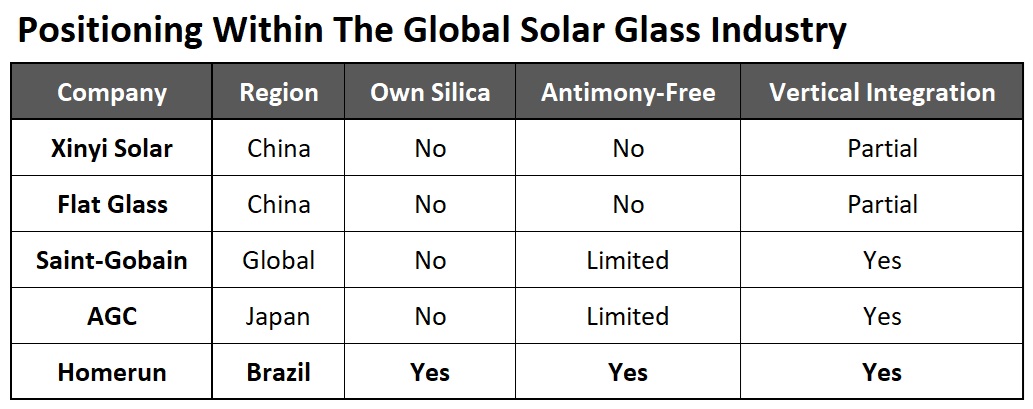
Positioning within a Global Industry
To fully appreciate the significance of these developments, it is necessary to place Homerun within the broader global solar glass landscape.
Solar glass is not a peripheral component of the energy transition. It is a critical input, forming a structural and functional layer of photovoltaic modules. As global solar deployment accelerates at industrial scale, demand for high-quality glass is rising accordingly.
Today, the industry is dominated by a small number of large-scale producers, including Xinyi Solar and Flat Glass Group in China, alongside established multinational players such as Saint-Gobain and AGC. These companies operate at significant scale and benefit from established supply chains. Yet they also reflect a more traditional industrial model, often characterized by centralized production, reliance on third-party raw materials and increasing exposure to environmental scrutiny.
Homerun’s market strategy is clearly diverging from conventional industry models. Rather than competing purely on scale, the company is building around integration and specialization. Its control over high-purity, low-iron silica (a critical input for antimony-free solar glass) provides a degree of supply chain security that many producers lack. In a market where raw material quality directly influences product performance, this is not a trivial advantage.
The focus on antimony-free production further differentiates the offering. As environmental standards evolve and scrutiny of toxic inputs intensifies, alternative formulations may command increasing relevance, both from a regulatory and market perspective.
Geographically, Homerun is positioning itself within a region that remains relatively underpenetrated in solar glass manufacturing. Latin America’s growing renewable energy demand, combined with logistical considerations, creates a context in which localized production may offer both economic and strategic benefits.
Finally, the broader platform strategy (extending beyond solar glass into advanced materials, such as fused silica, and laser-based silica purification, alongside energy storage and AI-driven energy solutions) reflects an ambition that reaches far beyond a single product line. It suggests an evolution from a standalone supplier into a vertically integrated platform spanning materials, processing and energy applications.
Timing Matters
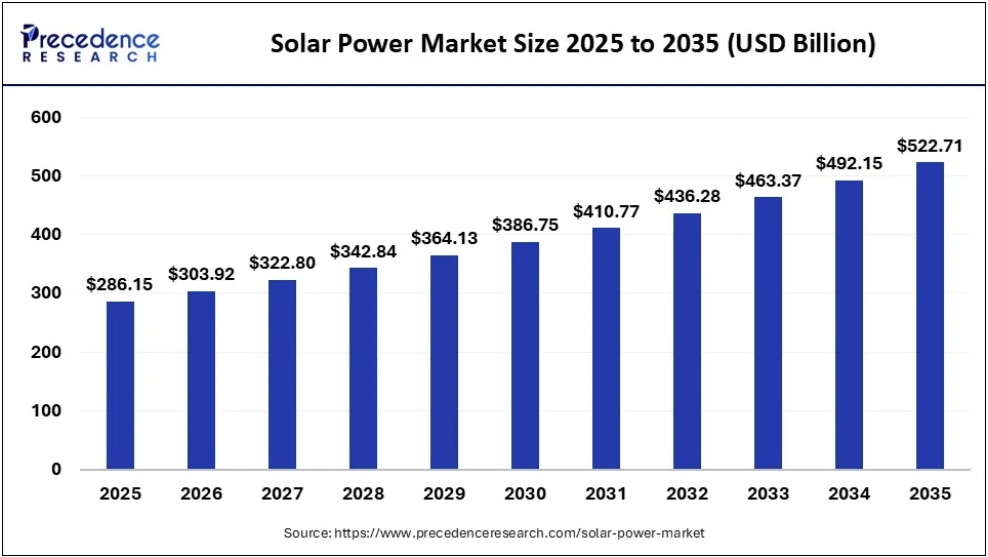
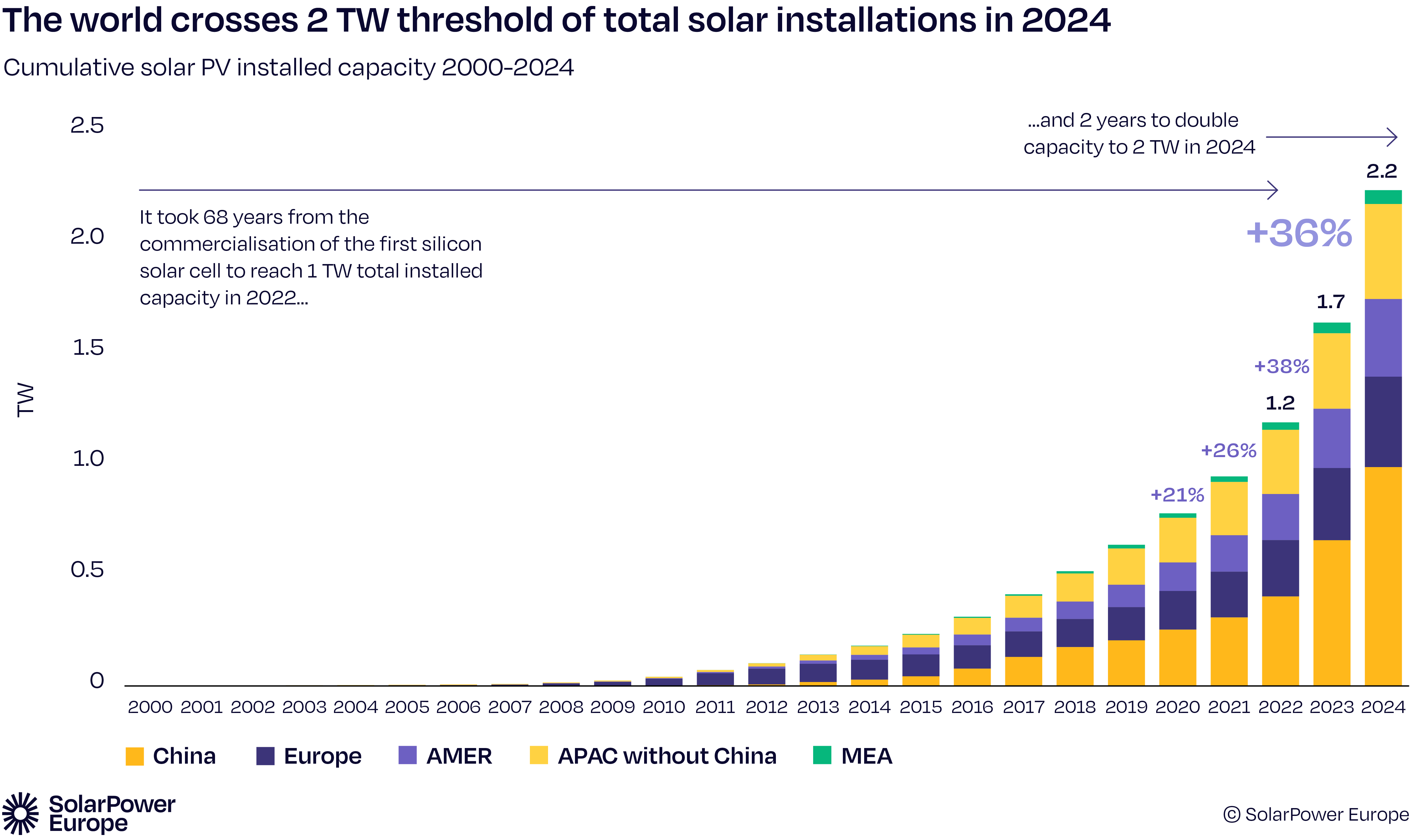
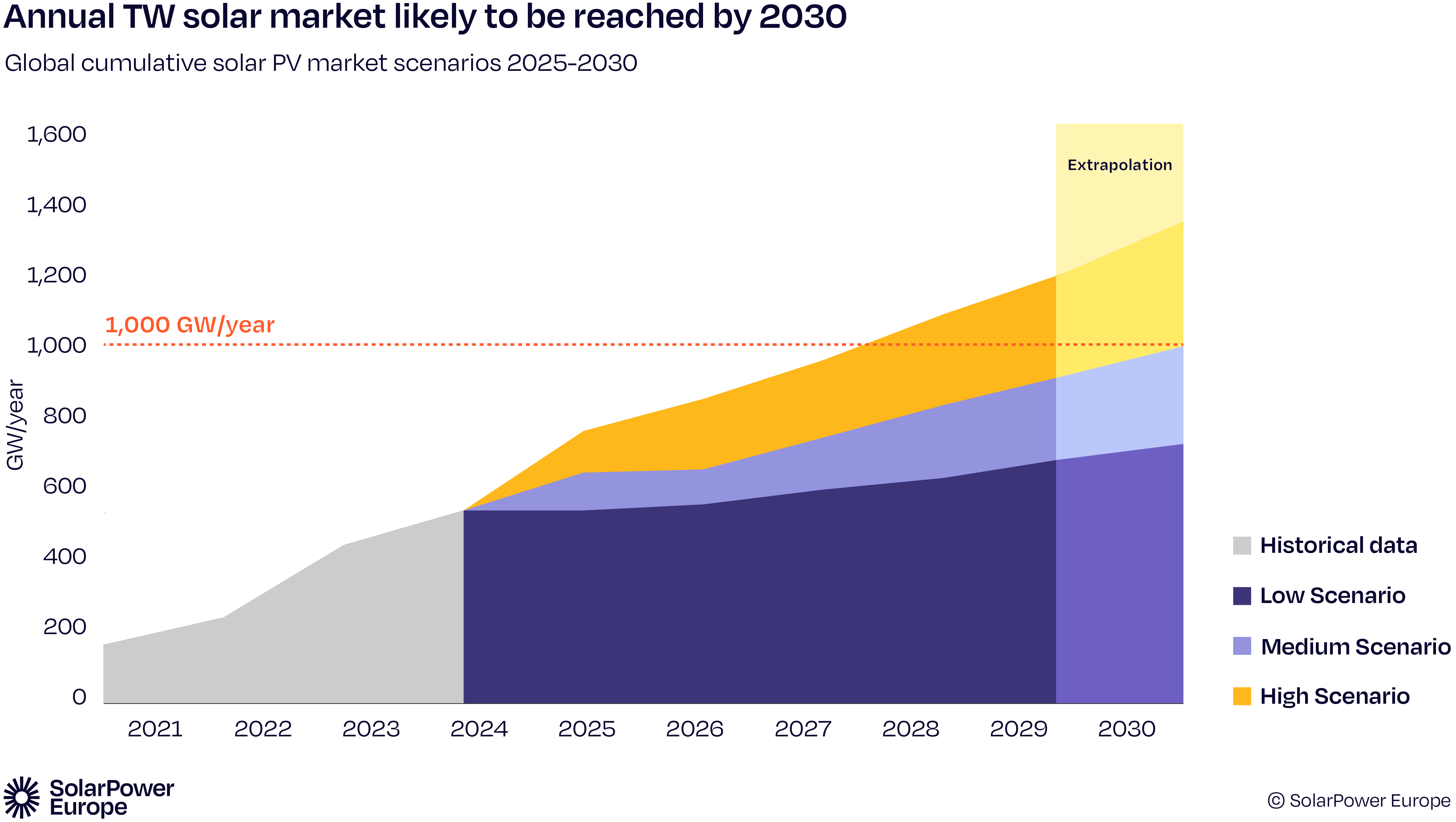
The convergence of these developments is unfolding against a backdrop of accelerating global trends. Solar deployment continues to expand at scale. At the same time, the rise of AI-driven infrastructure is increasing electricity demand, placing additional pressure on generation and storage systems. Grid stability challenges are becoming more pronounced, further elevating the importance of integrated energy solutions.
Across all of these domains, materials matter. High-quality silica, advanced glass, fused silica, laser-based purification of silica and efficient energy systems are becoming increasingly interconnected components of a broader industrial and energy transition.
Homerun is positioning itself at the intersection of these forces. And it is doing so at a moment when capital, policy and demand appear increasingly aligned.
From Vision to Reality
For much of its development history, Homerun could be viewed through the lens that defines many early-stage companies: Potential. That characterization may now be evolving.
With technical validation nearing completion, financing discussions already in motion and capital market access expanding into Brazil, the company appears to be entering a new phase. One in which the focus shifts from what could be built to how quickly it can be realized.
The market, in turn, often responds differently at such moments. Valuation frameworks change. Risk perceptions adjust. Attention shifts from exploration upside to execution capability.
Bottom Line
In the end, the significance of the current moment lies not in any single announcement. It lies in the alignment of multiple elements, each reinforcing the others in increasingly visible ways:
A resource base.
An industrial application.
A funding pathway.
A capital market strategy.
Each piece on its own holds value. Together, they begin to form a broader and more integrated system.
And it is within that system that scale becomes possible.
At a time when energy security concerns, geopolitical instability and rising fossil fuel prices are once again strengthening the strategic case for solar, that alignment may prove especially timely and increasingly consequential.
What matters is not just the resource.
It is not even just the project.
It is the system you build around it.
And Homerun is now assembling that system: Piece by piece, market by market and catalyst by catalyst, with increasing strategic clarity.
Company Details

Homerun Resources Inc.
#2110 – 650 West Georgia Street
Vancouver, BC, V6B 4N7 Canada
Phone: +1 844 727 5631
Email: info@homerunresources.com
www.homerunresources.com
ISIN: CA43758P1080 / CUSIP: 43758P
Shares Issued & Outstanding: 75,551,618
Canada Symbol (TSX.V): HMR
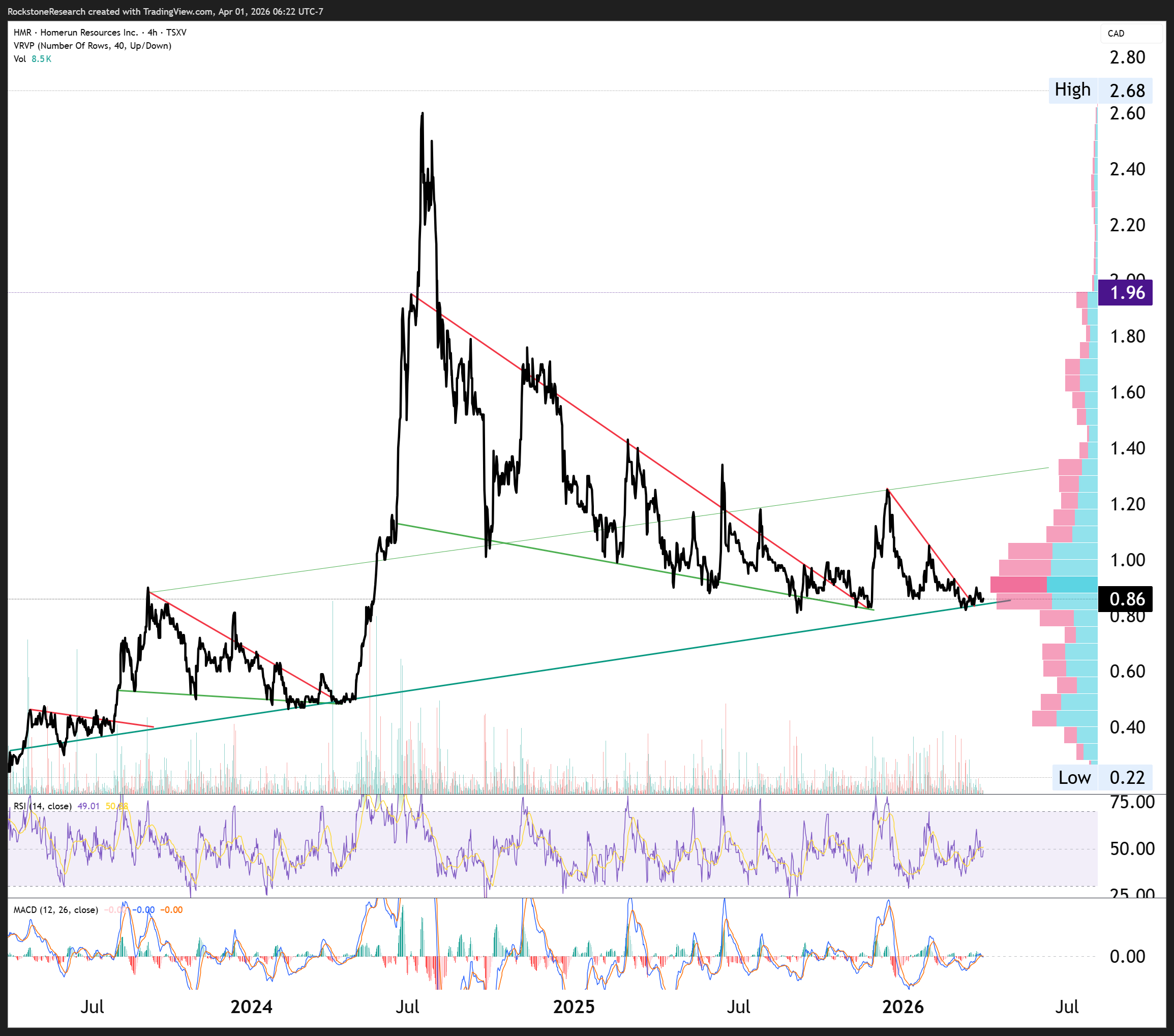
Current Price: 0.86 CAD (04/01/2026)
Market Capitalization: 65 Million CAD
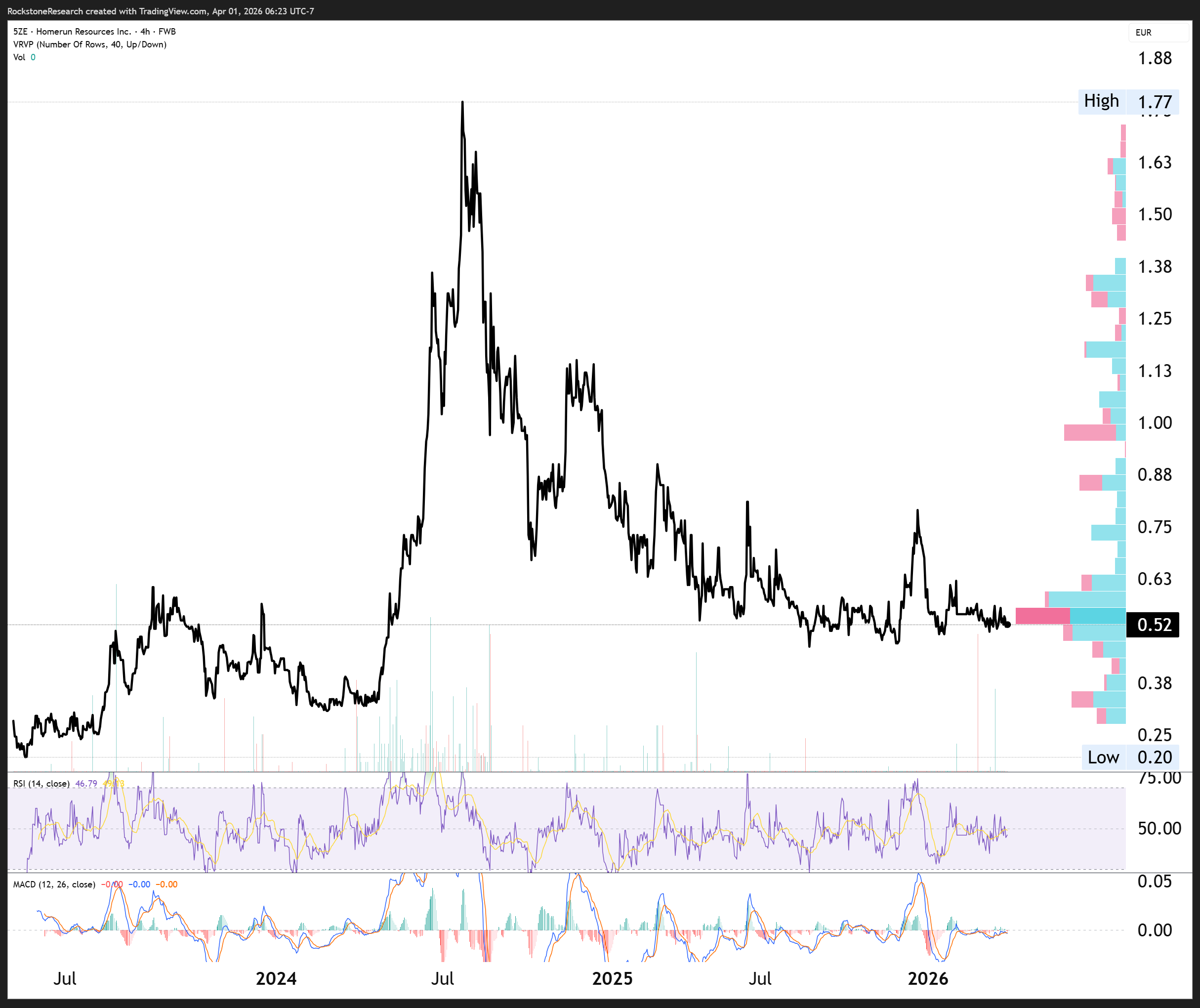
Germany Ticker / WKN: 5ZE / A3CYRW
Current Price: 0.52 EUR (04/01/2026)
Market Capitalization: 39 Million EUR

Stephan Bogner
Contact
Rockstone News & Research
Stephan Bogner (Dipl. Kfm., FH)
Müligässli 1, 8598 Bottighofen
Switzerland
Phone: +41-71-5896911
Email: info@rockstone-news.com
Disclaimer and Information on Forward Looking Statements: Rockstone and Homerun Resources Inc. (“Homerun“) caution investors that any forward-looking information provided herein is not a guarantee of future results or performance, and that actual results may differ materially from those in forward-looking information as a result of various factors. The reader is referred to Homerun’s public filings for a more complete discussion of such risk factors and their potential effects, which may be accessed through its documents filed on SEDAR+ at www.sedarplus.ca. All statements in this report, other than statements of historical fact, should be considered forward-looking statements. Much of this report is comprised of statements of projection. Such statements involve known and unknown risks, uncertainties and other factors that may cause actual results or events to differ materially from those anticipated in these forward-looking statements. There can be no assurance that such statements will prove to be accurate, as actual results and future events could differ materially from those anticipated in such statements. Forward-looking statements in this report include expectations related to the commercial, strategic and market implications of Homerun’s Bankable Feasibility Study (“BFS”) for its proposed antimony-free solar glass manufacturing facility in Bahia, Brazil, including assumptions that the BFS may confirm favorable technical and economic parameters, may support the advancement of project financing discussions and may position the Company to transition into the next phase of development. Forward-looking statements also include expectations regarding the timing and completion of the BFS, including assumptions that the final study may be delivered within the anticipated late April timeframe and that its conclusions may support financing, construction planning and broader project advancement. Forward-looking statements further include expectations regarding project financing, including assumptions that ongoing discussions with prospective financing partners may progress, that indicative interest may translate into structured financing arrangements and that the Company may secure sufficient capital on acceptable terms to support project development, construction and initial operations. Additional forward-looking statements include expectations related to the Company’s Sponsored Brazilian Depositary Receipt (“BDR”) program and proposed listing on the B3 stock exchange, including assumptions that the listing may be completed following regulatory approvals, may broaden and diversify the shareholder base and may facilitate increased participation from Brazilian institutional investors, family offices and high-net-worth individuals. Forward-looking statements also include expectations regarding the potential market impact of the BDR structure, including assumptions that demand for BDRs may lead to the acquisition and custody of underlying shares from the TSX Venture Exchange in Canada, may influence trading dynamics and may affect liquidity, float and price discovery over time. Forward-looking statements further include expectations regarding market positioning and industry relevance, including assumptions that Homerun’s high-purity low-iron silica, antimony-free solar glass strategy and vertically integrated platform may align with increasing global demand for solar materials, advanced glass and energy infrastructure and may support long-term commercial opportunities across multiple segments of the energy transition. Additional forward-looking statements relate to the Company’s broader platform strategy, including assumptions that Homerun may advance its four core verticals (Silica, Solar, Energy Storage and Energy Solutions) and that its silica resource in Bahia may support downstream processing, advanced materials such as fused silica, laser-based purification technologies and related energy applications over time. Forward-looking statements are also made with respect to execution, development and scaling, including assumptions that the Company may successfully advance from feasibility to financing, from financing to construction and from construction to commercial operations, and that timelines, costs and operational parameters may remain within expected ranges. Forward-looking statements are based on current expectations, estimates and assumptions that are inherently subject to uncertainty and may differ materially from actual outcomes. Forward-looking statements are subject to risks and uncertainties including, but not limited to: BFS Completion And Outcome Risks: Risks that the Bankable Feasibility Study may not be completed on the expected timeline, may be delayed or revised or may not confirm the anticipated technical, economic or commercial viability of the project. Financing Risks: Risks that project financing may not be secured on acceptable terms or within expected timeframes, that indicative interest may not convert into binding commitments or that financing conditions may change due to market, macroeconomic or project-specific factors. Construction And Development Risks: Risks associated with advancing from feasibility to construction, including engineering challenges, cost overruns, contractor performance, permitting delays, infrastructure limitations and execution risks typical of large-scale industrial projects. BDR Listing And Regulatory Risks: Risks that the Sponsored BDR program and B3 listing may be delayed, modified or not completed due to regulatory approvals, market conditions or other factors and that the anticipated benefits of the listing may not materialize. Capital Markets And Liquidity Risks: Risks related to share price volatility, trading liquidity, investor sentiment and the potential impact of BDR-related share custody on the Company’s Canadian-listed float and overall market dynamics. Market Demand And Industry Risks: Risks that demand for solar glass, high-purity silica or related materials may develop more slowly than expected, may be impacted by changes in solar deployment trends, policy frameworks or competing technologies or may be subject to regional imbalances and market cycles. Competitive Risks: Risks arising from established global solar glass producers and new entrants, including pricing pressure, technological competition, overcapacity in parts of the value chain and the presence of larger, better-capitalized competitors. Technology And Product Risks: Risks that antimony-free solar glass, fused silica, laser-based purification or other advanced materials strategies may face technical challenges, adoption barriers or slower-than-expected market acceptance. Resource And Feedstock Risks: Risks that the quality, consistency, recoverability or suitability of silica from the Santa Maria Eterna project may vary over time or may not meet evolving technical or commercial requirements. Permitting And Regulatory Risks: Risks related to environmental approvals, land use, industrial permitting, mining regulations, export controls, taxation or other legal requirements in Brazil or other relevant jurisdictions. Infrastructure And Logistics Risks: Risks related to transportation, energy availability, port access, supply chain constraints, contractor performance and broader infrastructure dependencies that could affect project timelines and costs. Macroeconomic And Geopolitical Risks: Risks related to inflation, interest rates, exchange-rate volatility, energy prices, geopolitical instability, trade dynamics and broader economic uncertainty that may impact financing, construction and market conditions. Energy Market And Policy Risks: Risks that changes in energy policy, subsidies, regulatory frameworks or fossil fuel pricing dynamics may influence the pace of solar adoption and the overall energy transition. Environmental And ESG Risks: Risks that environmental, social or governance considerations may impose additional costs, constraints or delays or that anticipated ESG advantages may not translate into expected benefits. Force Majeure And External Events: Risks arising from natural disasters, extreme weather, pandemics, labor disruptions, civil unrest or other events beyond the Company’s control. Accordingly, readers should not place undue reliance on forward-looking information. Rockstone and the author of this report do not undertake any obligation to update any statements made in this report except as required by law. Past performance, comparisons to other companies, projects, commodities, technologies or jurisdictions and references to industry trends or market developments are provided for illustrative purposes only and should not be considered indicative of future results.
Disclosure of Interest and Advisory Cautions: Nothing in this report should be construed as a solicitation to buy or sell any securities mentioned. Rockstone, its owners and the author of this report are not registered broker-dealers or financial advisors. Before investing in any securities, you should consult with your financial advisor and a registered broker-dealer. Never make an investment based solely on what you read in an online or printed report, including Rockstone’s report, especially if the investment involves a small, thinly-traded company that isn’t well known. The author of this report, Stephan Bogner, is paid by Homerun Resources Inc. On September 8, 2025, Homerun announced that the company “entered into an agreement with Rockstone Research to provide marketing services to the company”, and that “Rockstone Research is an arm’s-length marketing firm and has been engaged for an initial three-month term for total consideration of $25,000, which is payable up front. The company does not propose to issue any securities to Rockstone in consideration for the services to be provided to the company.” The author owns equity of Homerun and thus will profit from volume and price appreciation of the stock. This also represents a significant conflict of interest that may affect the objectivity of this reporting. The author may buy or sell securities of Homerun (or comparable companies) at any time without notice, which may give rise to additional conflicts of interest. Overall, multiple conflicts of interests exist. Therefore, the information provided in this report should not be construed as a financial analysis or recommendation but as an advertisement. This report should be understood as a promotional publication and does not replace individual investment advice. Rockstone’s and the author’s views and opinions regarding the companies that are featured in the reports are the author‘s own views and are based on information that was received or found in the public domain, which is assumed to be reliable. Rockstone and the author have not undertaken independent due diligence of the information received or found in the public domain. Rockstone and the author of this report do not guarantee the accuracy, completeness, or usefulness of any content of this report, nor its fitness for any particular purpose. Lastly, Rockstone and the author do not guarantee that any of the companies mentioned in the reports will perform as expected, and any comparisons that were made to other companies may not be valid or come into effect. Please read the entire Disclaimer carefully. If you do not agree to all of the Disclaimer, do not access this website or any of its pages including this report in form of a PDF. By using this website and/or report, and whether or not you actually read the Disclaimer, you are deemed to have accepted it. Information provided is educational and general in nature. Data, tables, figures and pictures, if not labeled or hyperlinked otherwise, have been obtained from Stockwatch.com, Tradingview.com, Homerun Resources Inc. and the public domain. The cover picture has been obtained and licenced from Shutterstock.com.